Gannets on Bempton Cliffs
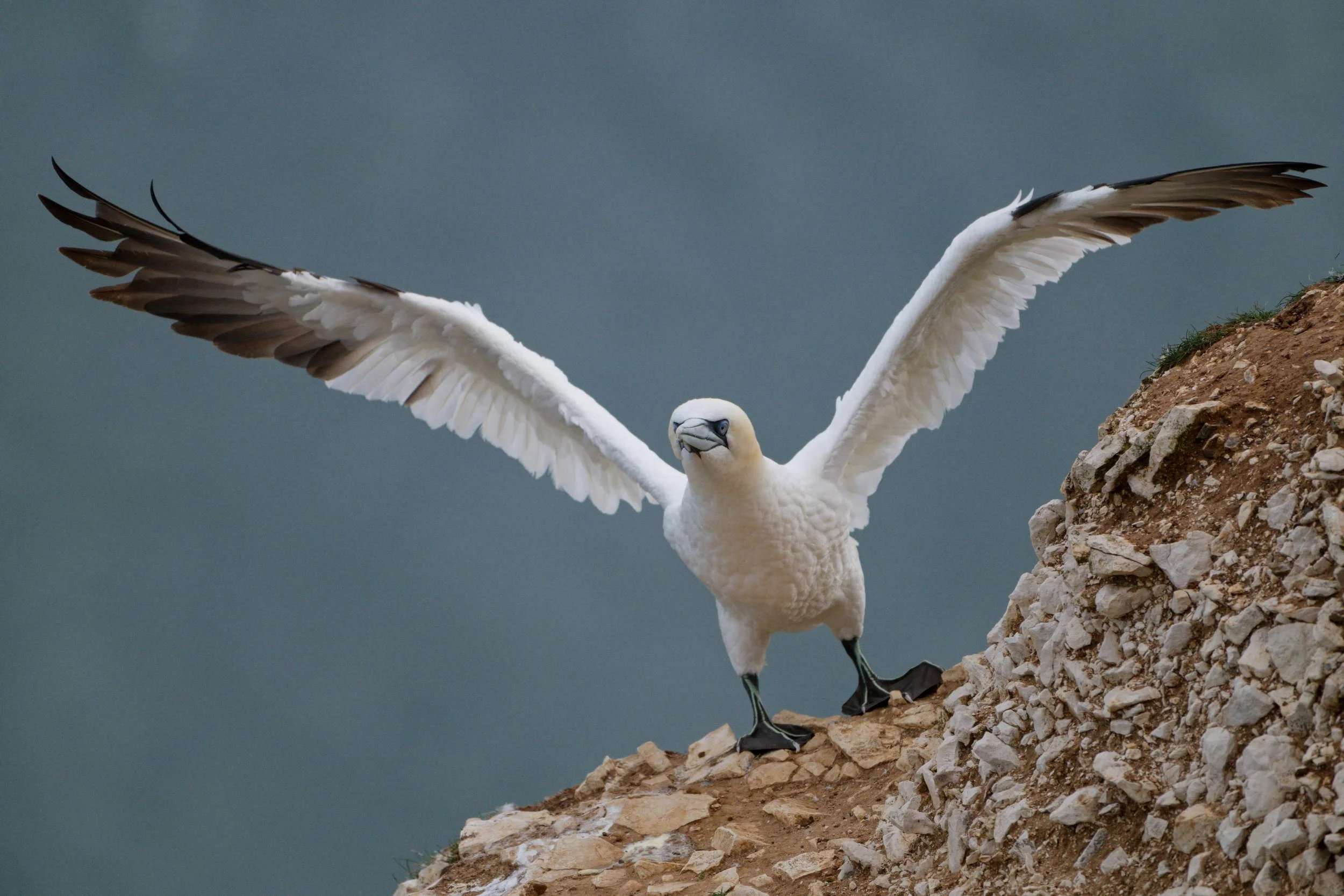
I hadn’t visited Bempton cliffs for four years so it was good to get up t’ North again in September and visit them again. Not the best time of year to see the variety of bird species that breed there (hence the title of this post) but who doesn’t like a good gannet or two…hundred? Having a much more versatile zoom lens this time around provided me with a lot more options than with the fixed primes I’d been exclusively using in previous visits.
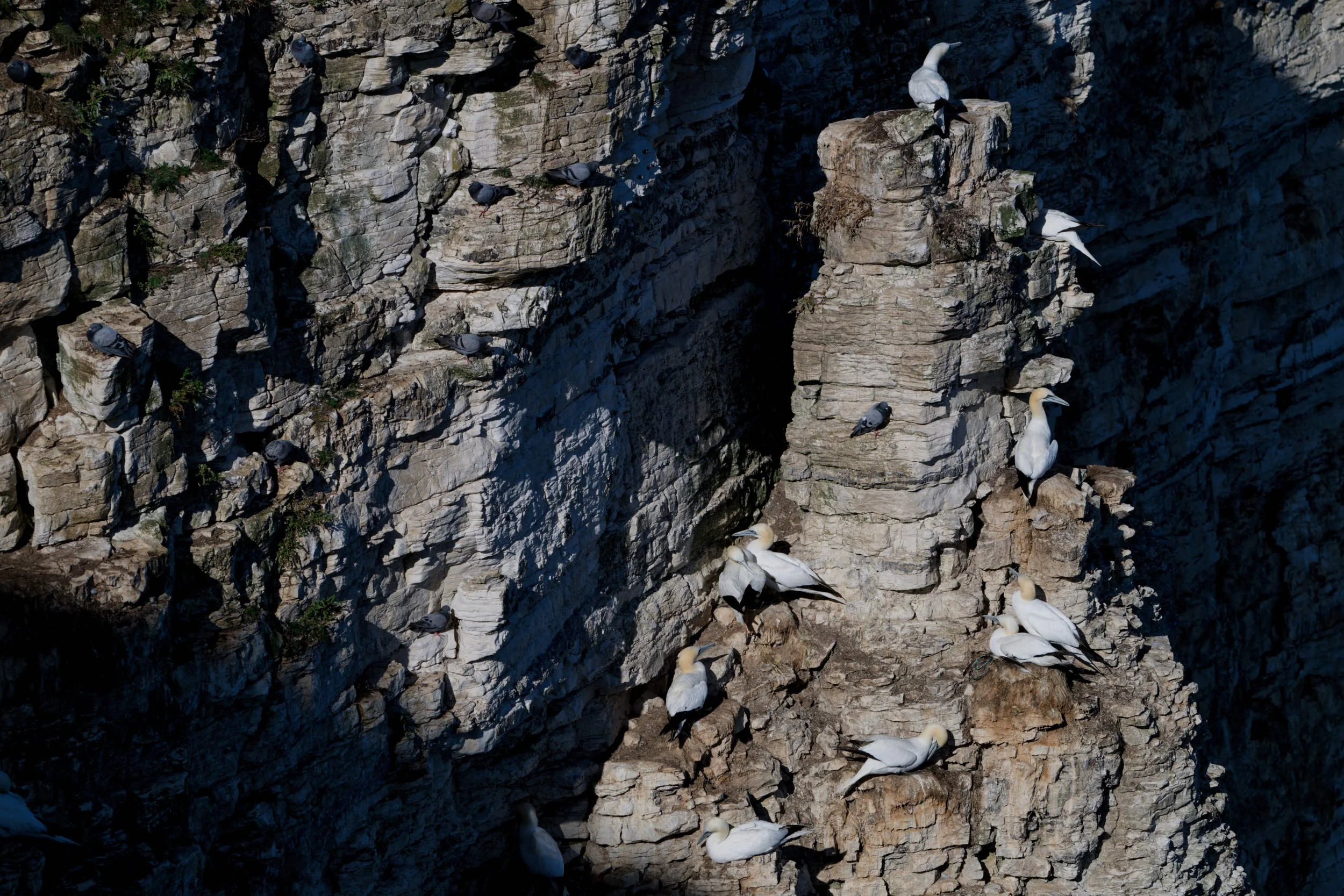
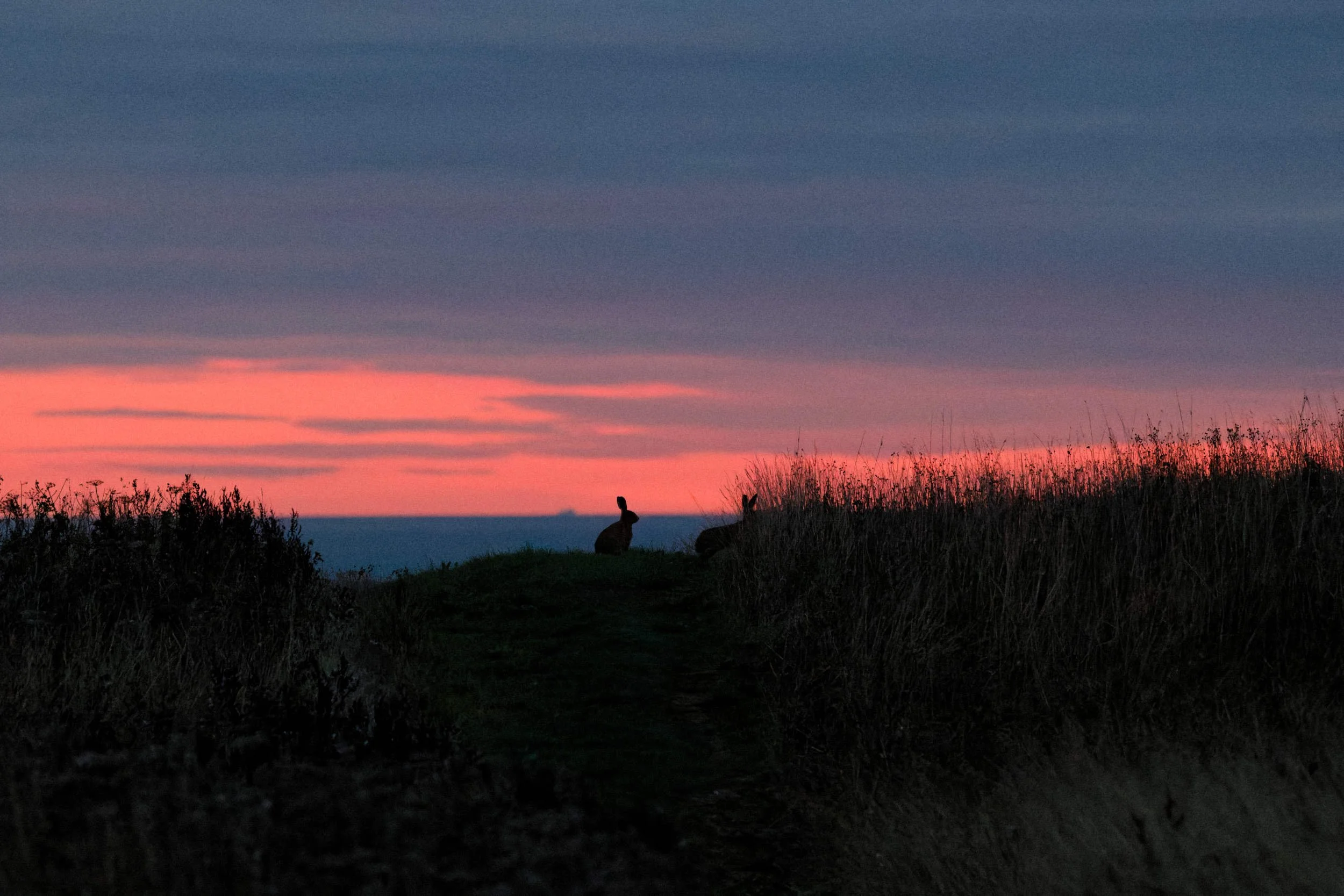
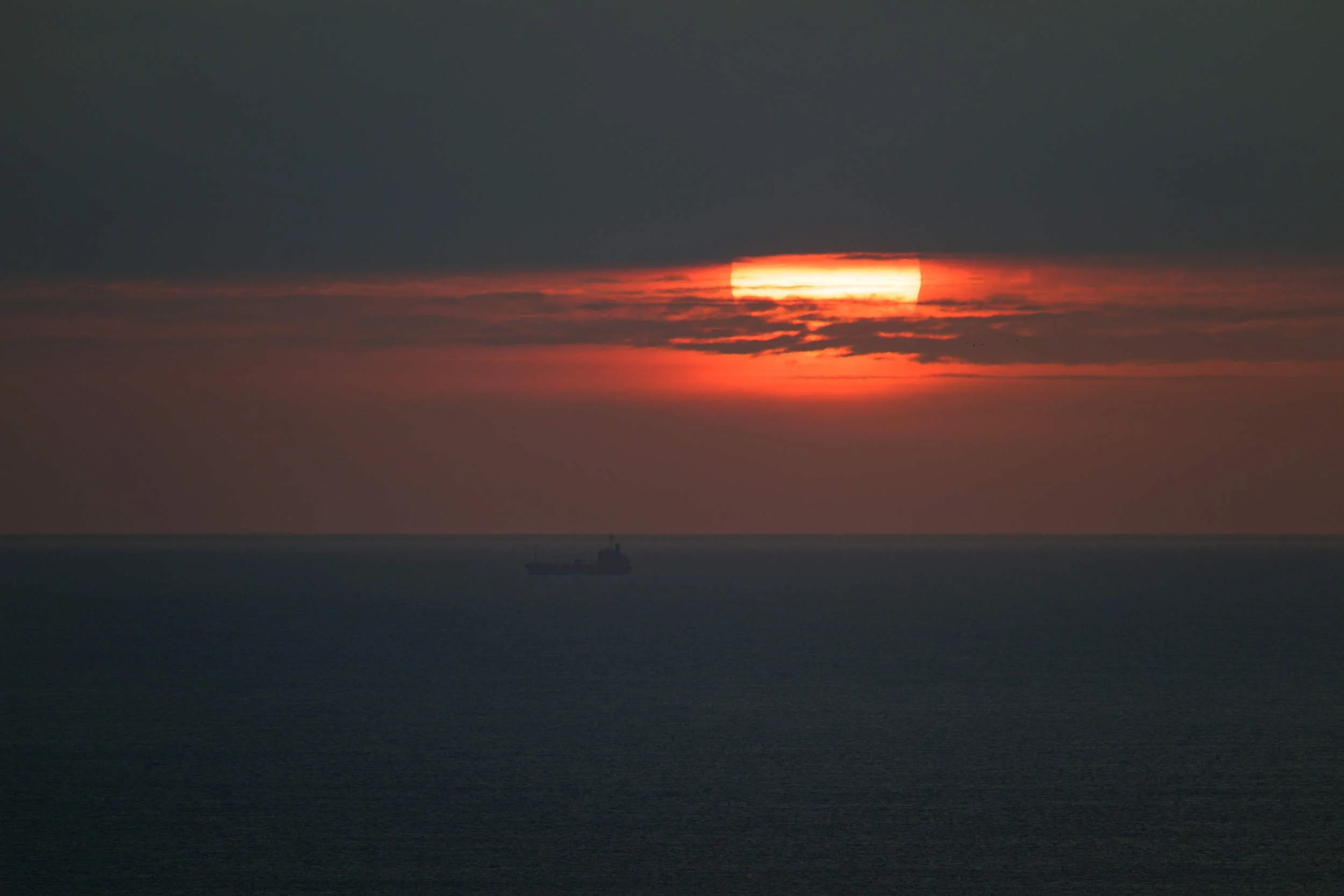
I had a few early morning starts so I could be at the cliffs for sunrise and was greeted by some fantastic skies with often nobody around.
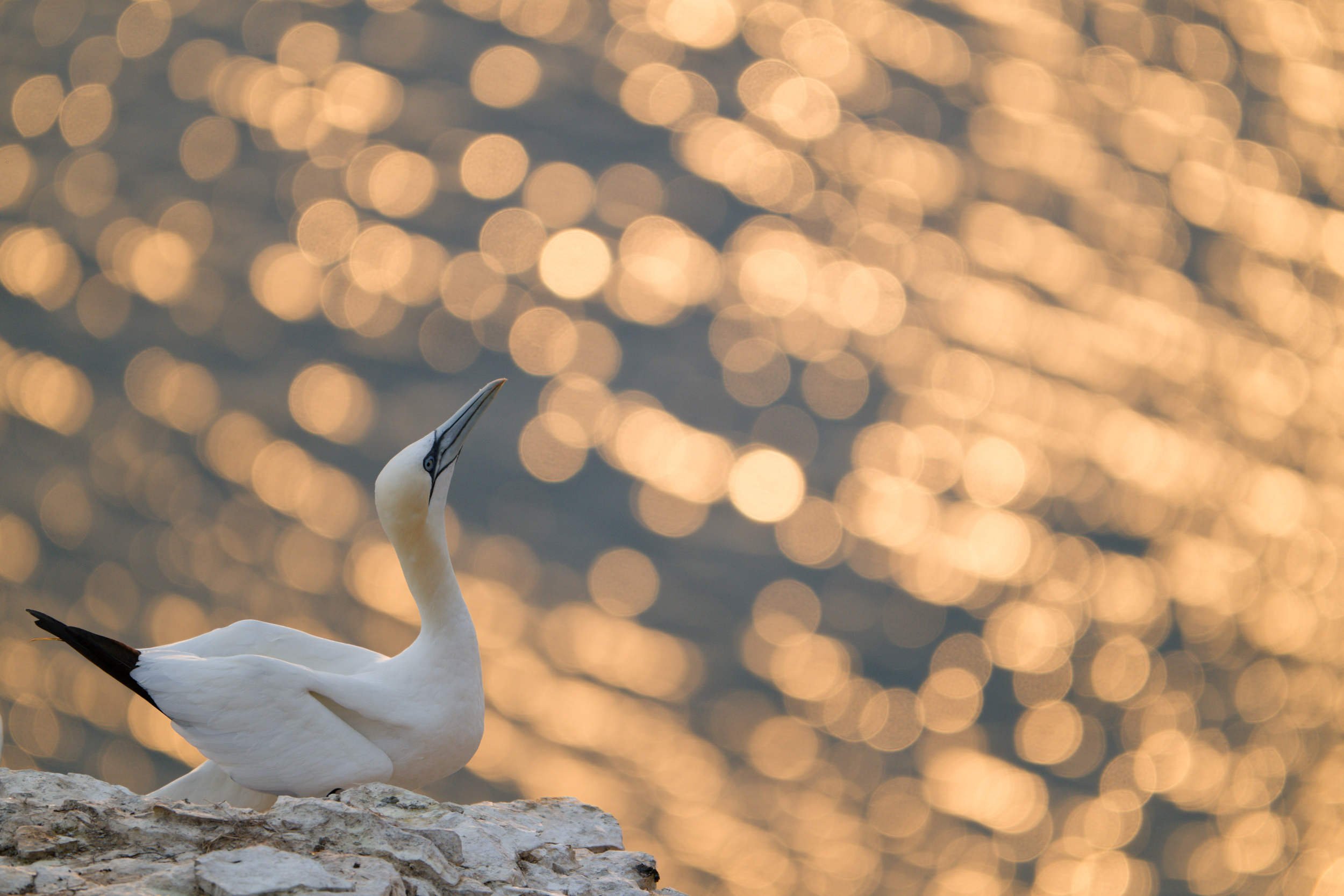
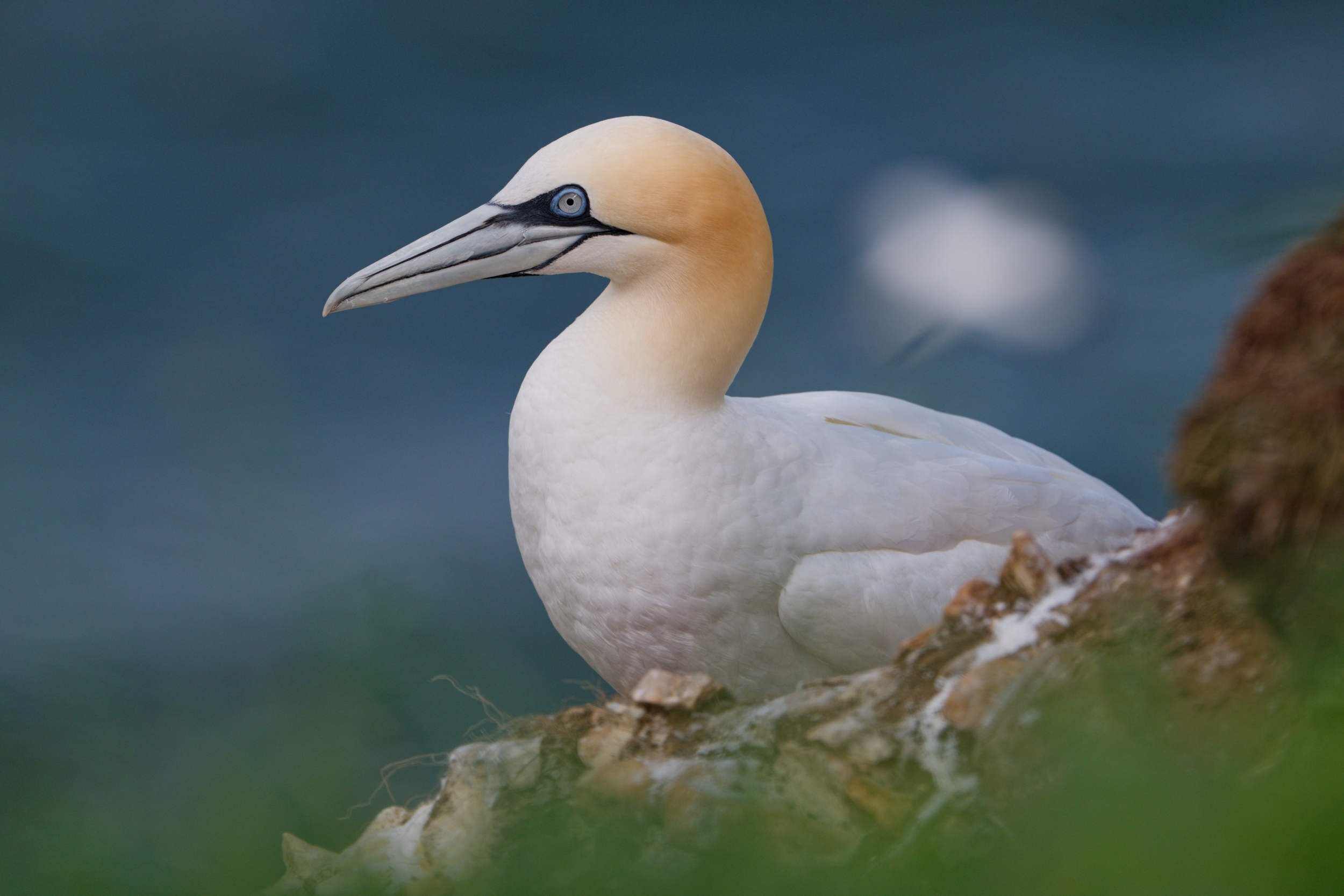
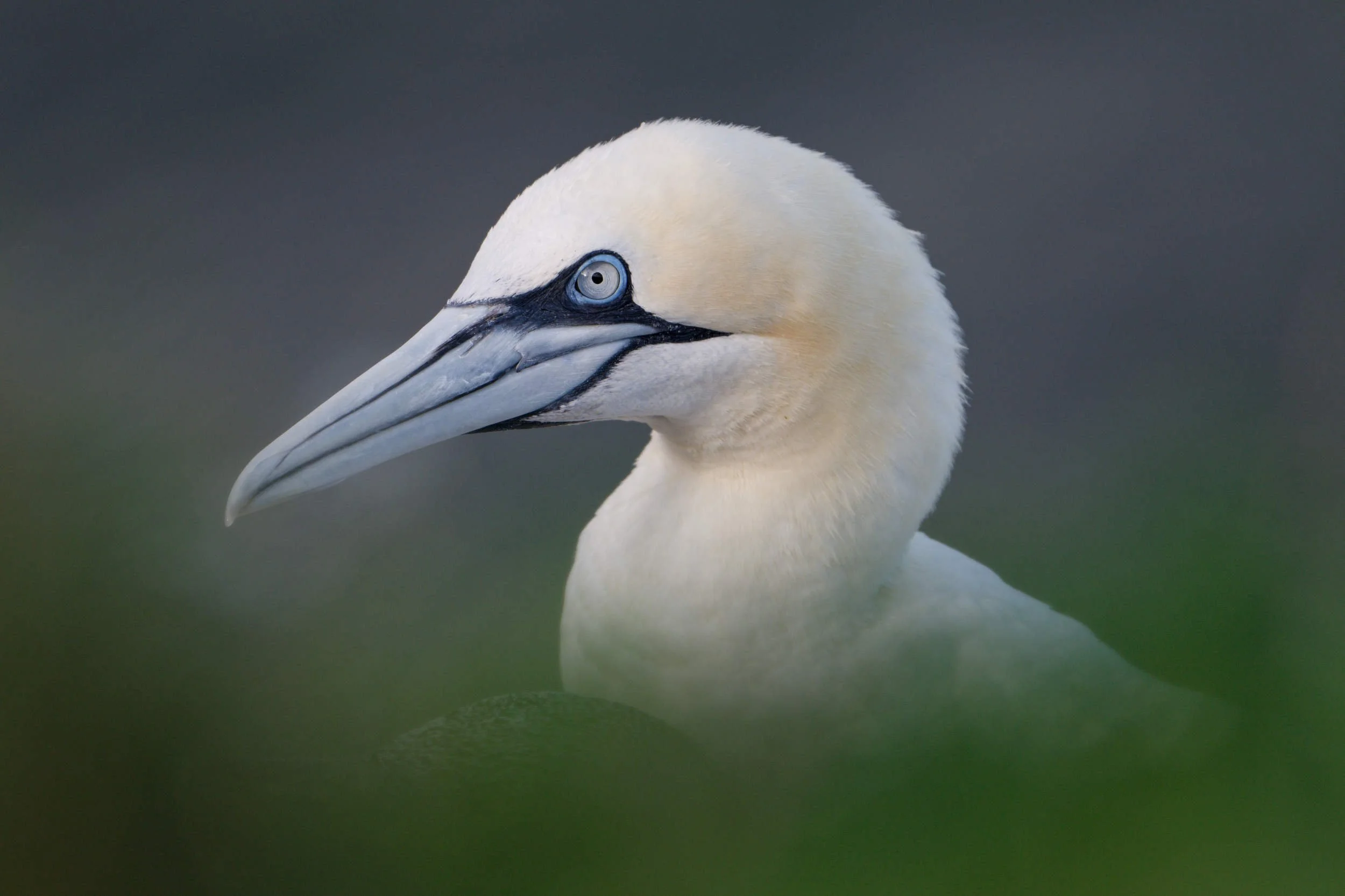
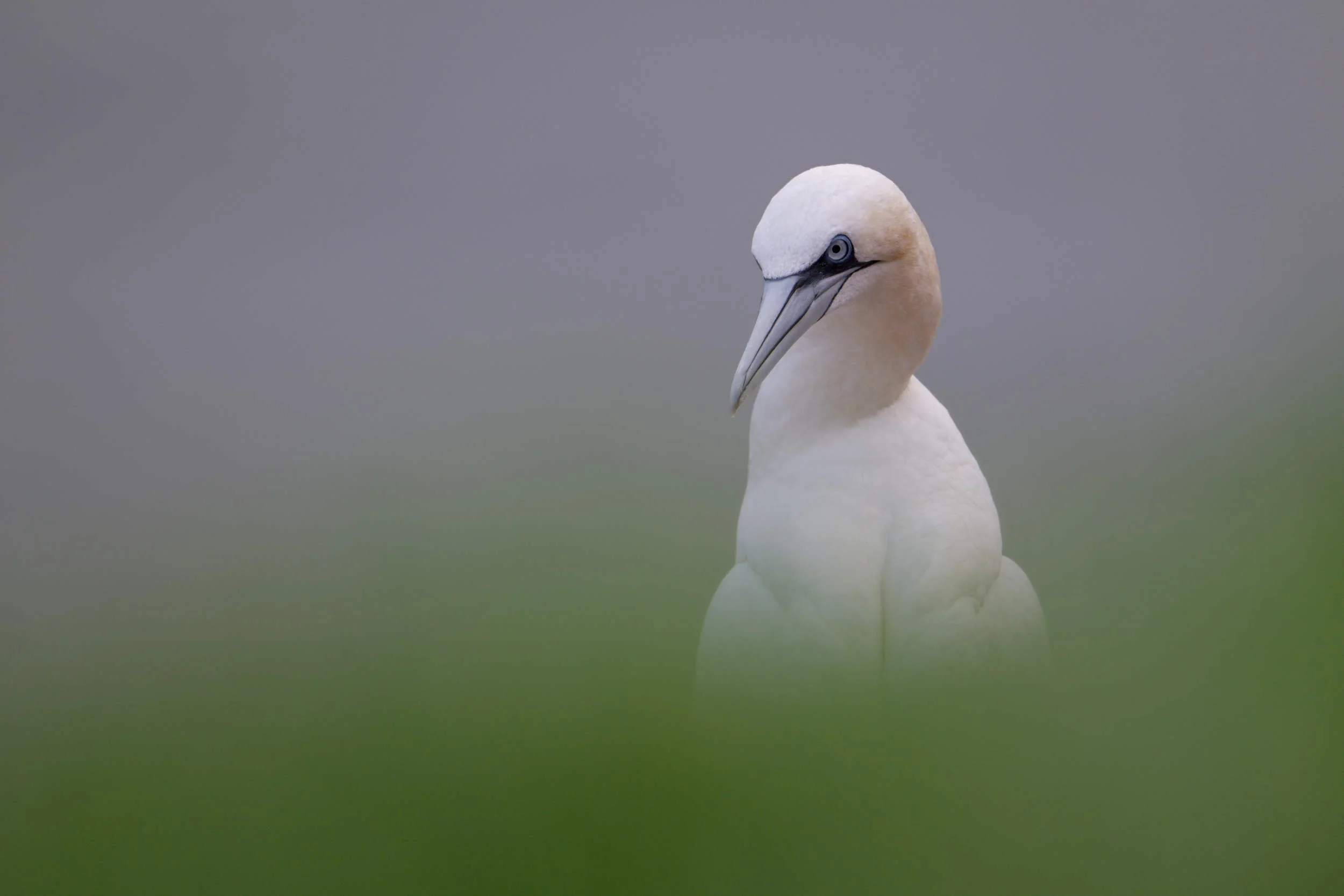
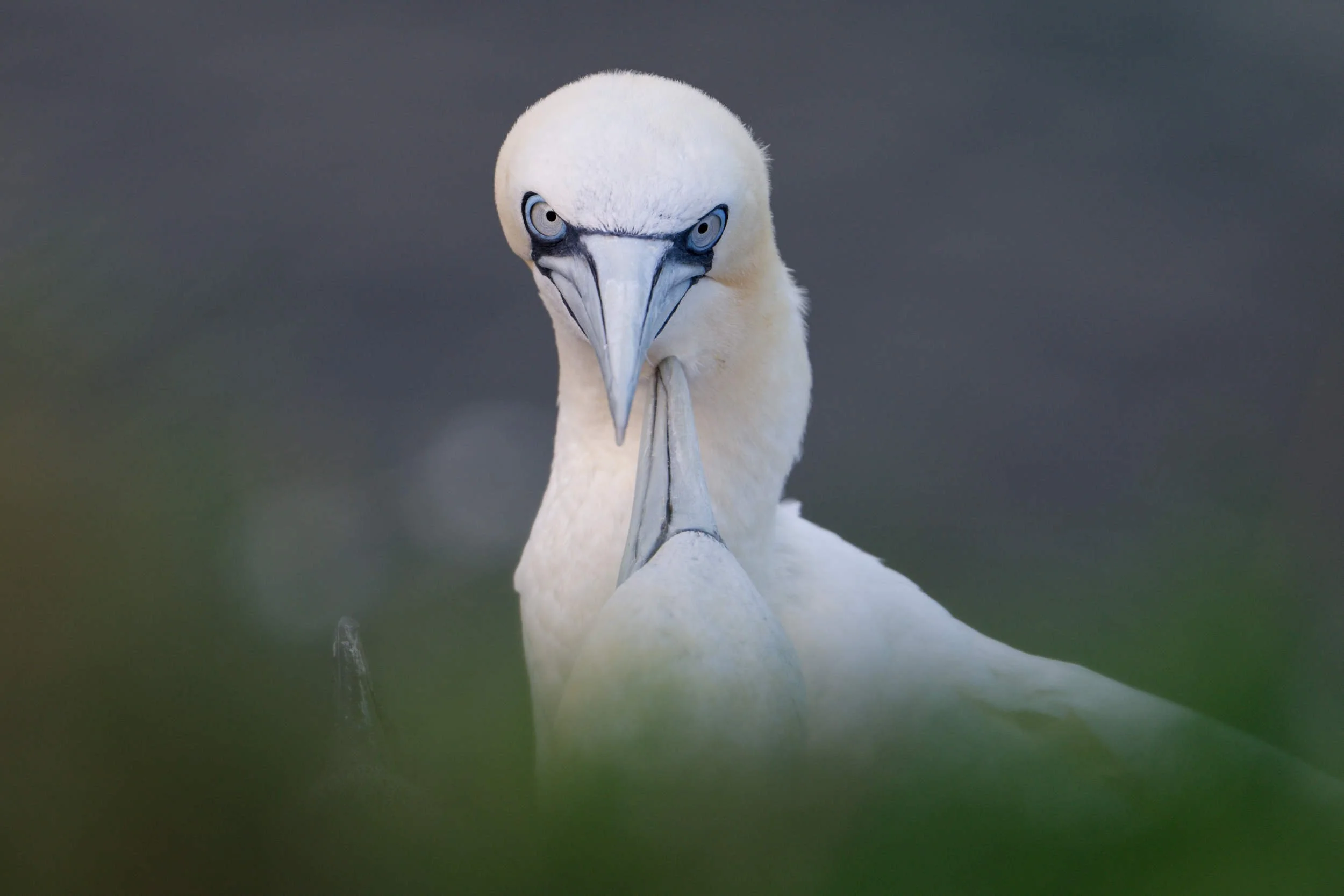
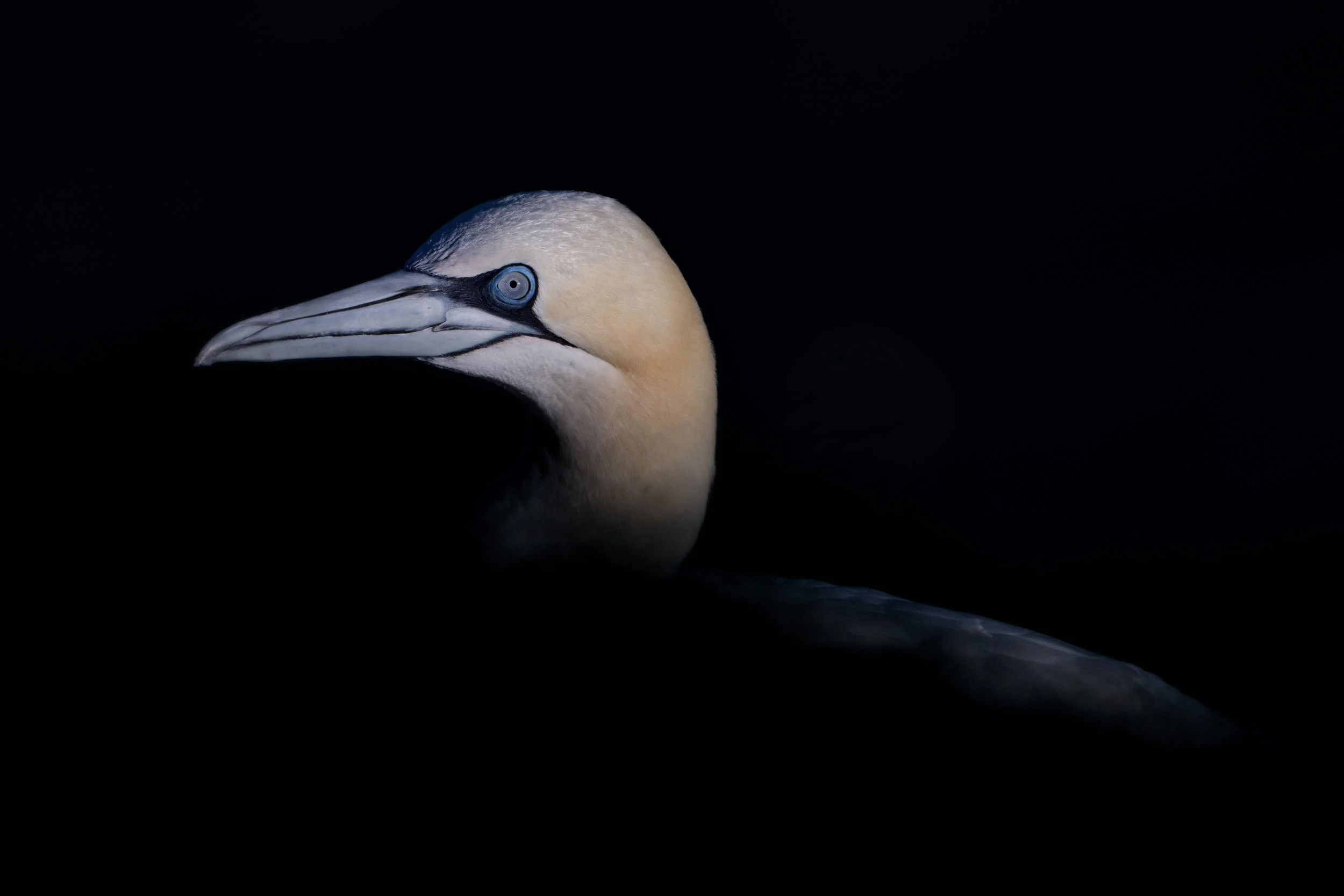
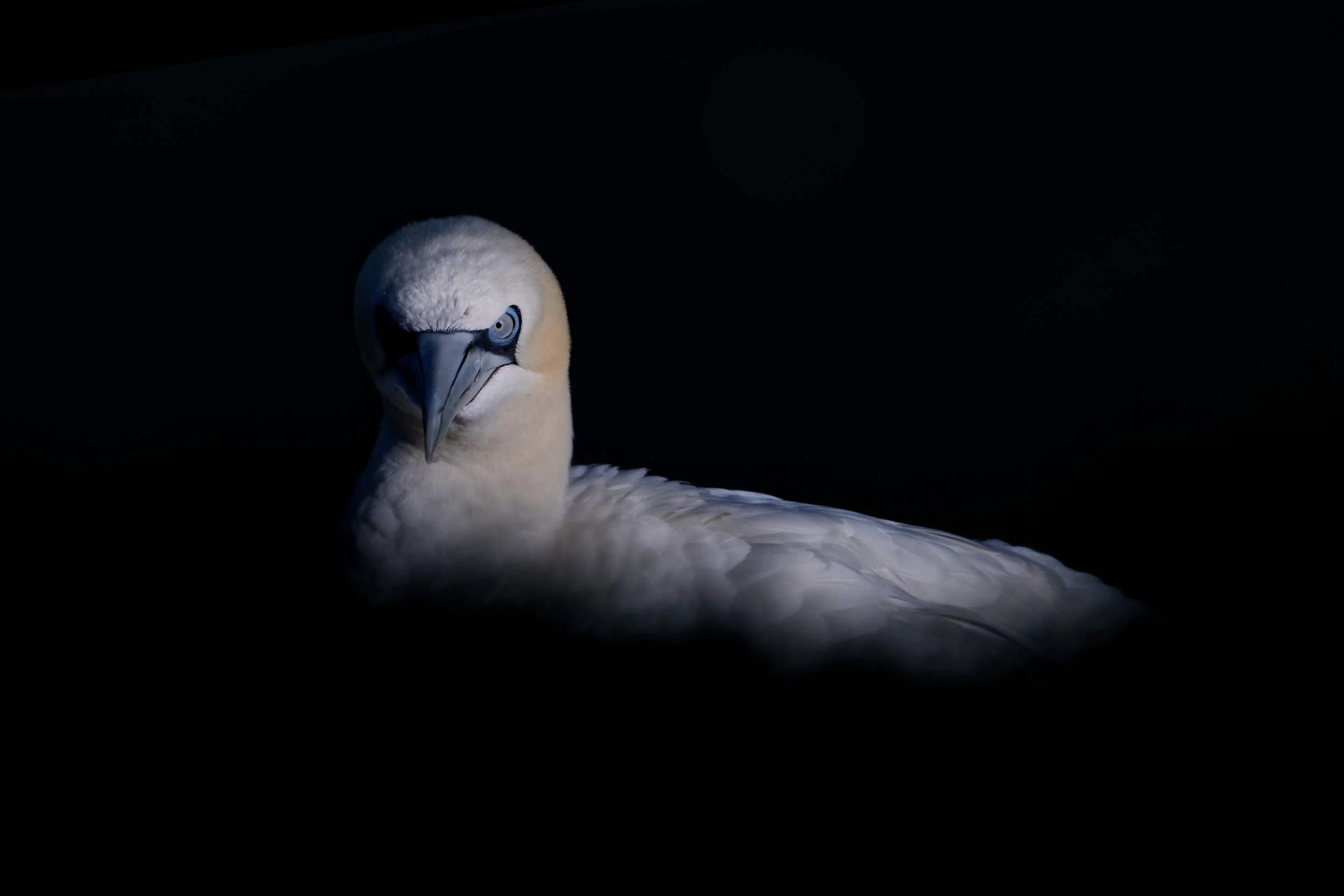
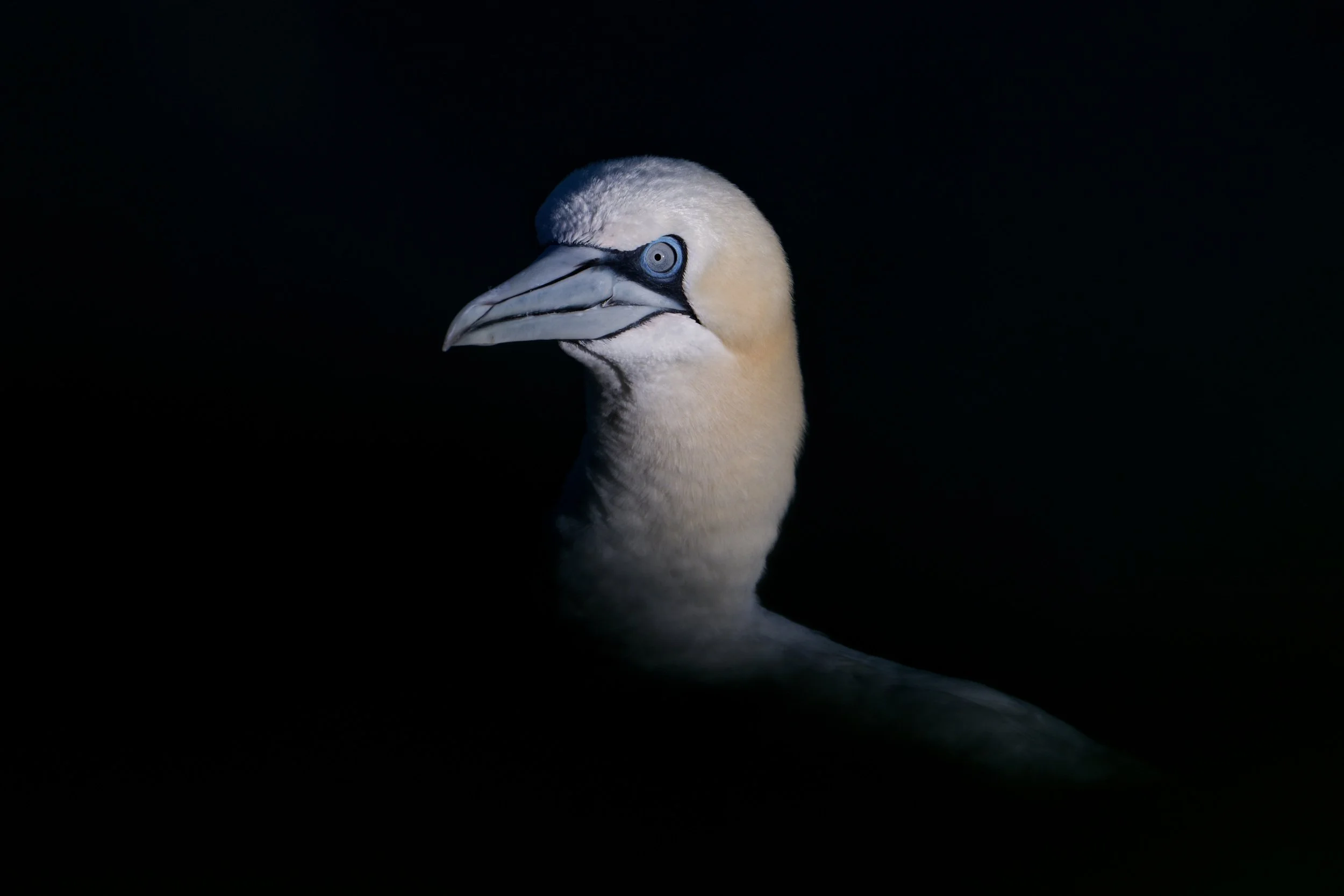
At one point I was presented with the perfect opportunity to capture some low key portraits of a gannet sat on the edge of a cliff. There was nothing behind the gannet other than a long drop down to the sea. Then there was the grass from the edge of the cliff in the foreground that just obscured the lower section of the gannet's body. The sun was shining directly on the gannet which allowed me to really crank the exposure down, plunging the rest of the frame into complete darkness. Then it was just a question of altering the height of the camera according to how much of the bird I wanted to obscure by the grass in front of it. It was satisfying to get the whole thing done in camera, organically, knowing that there would be no additional post processing required other than the standard adjustments that I would make to any other regular photo.
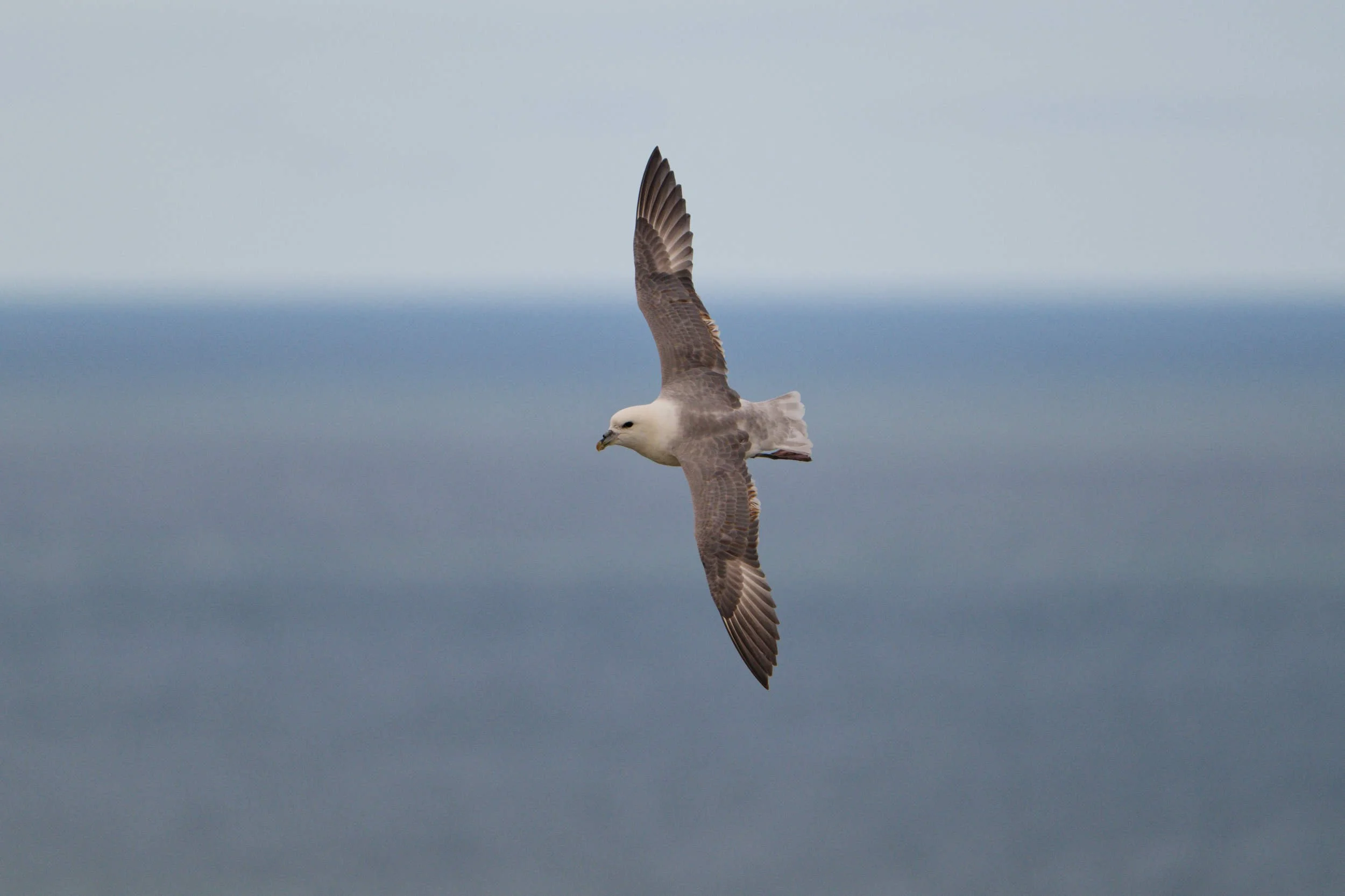
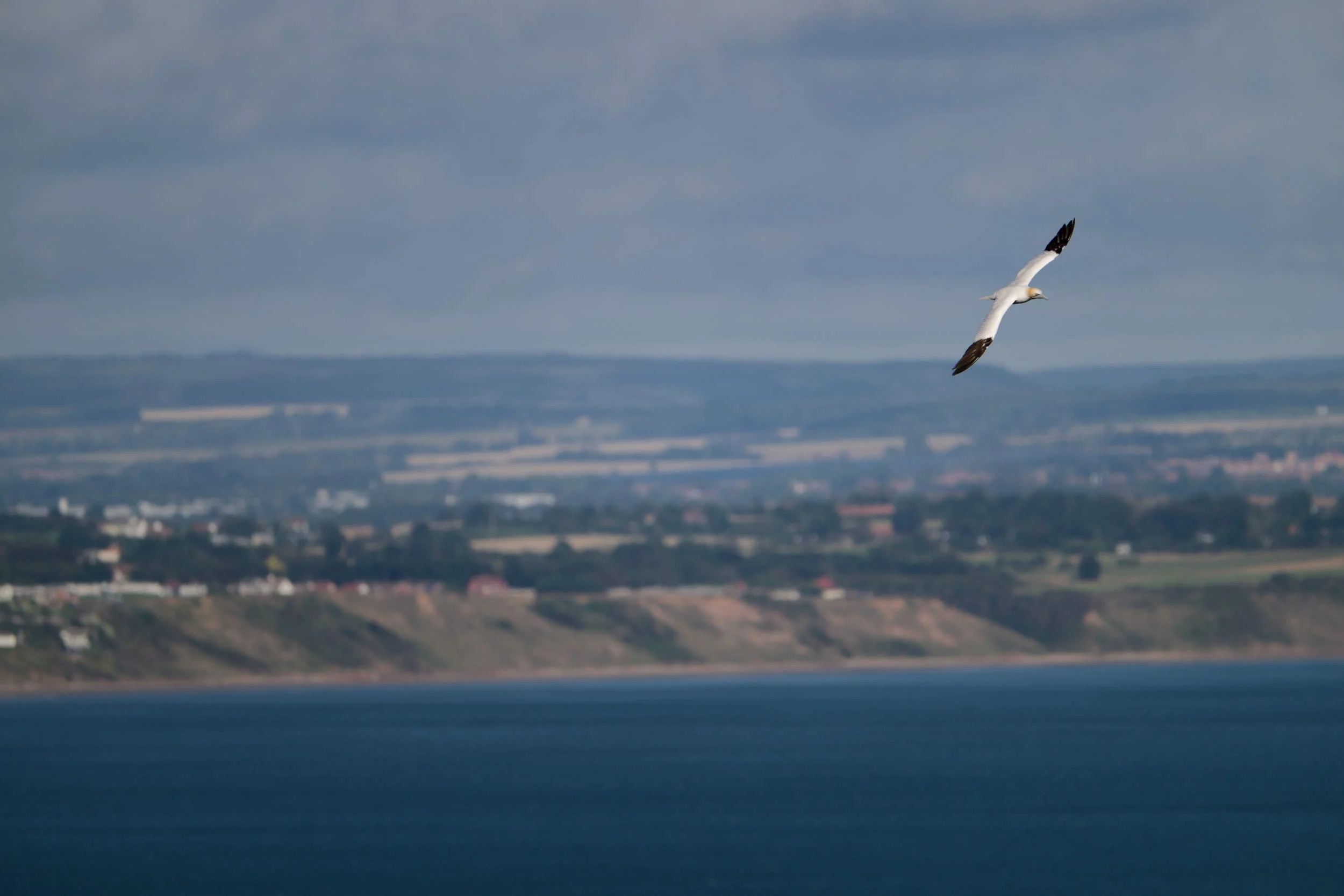
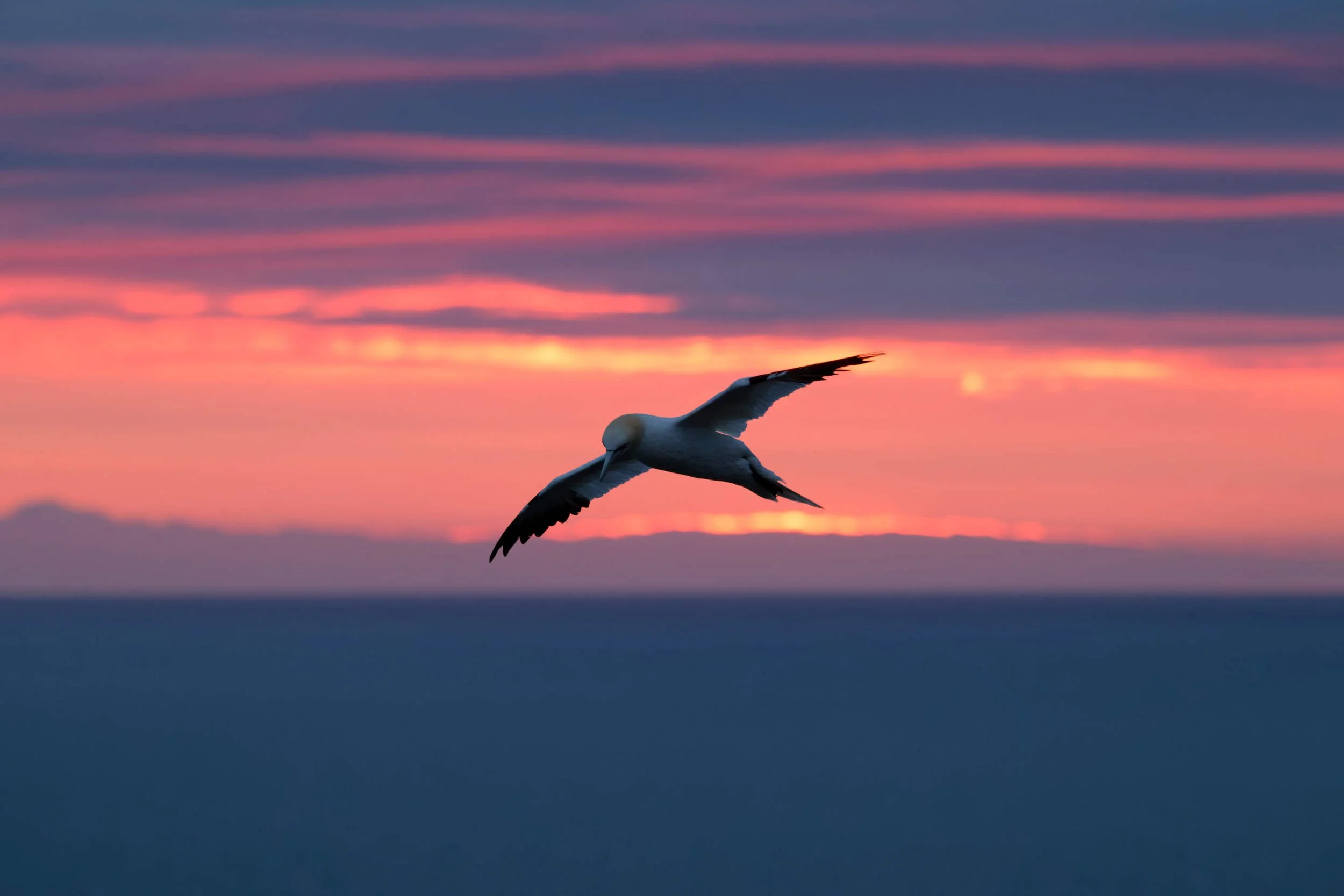
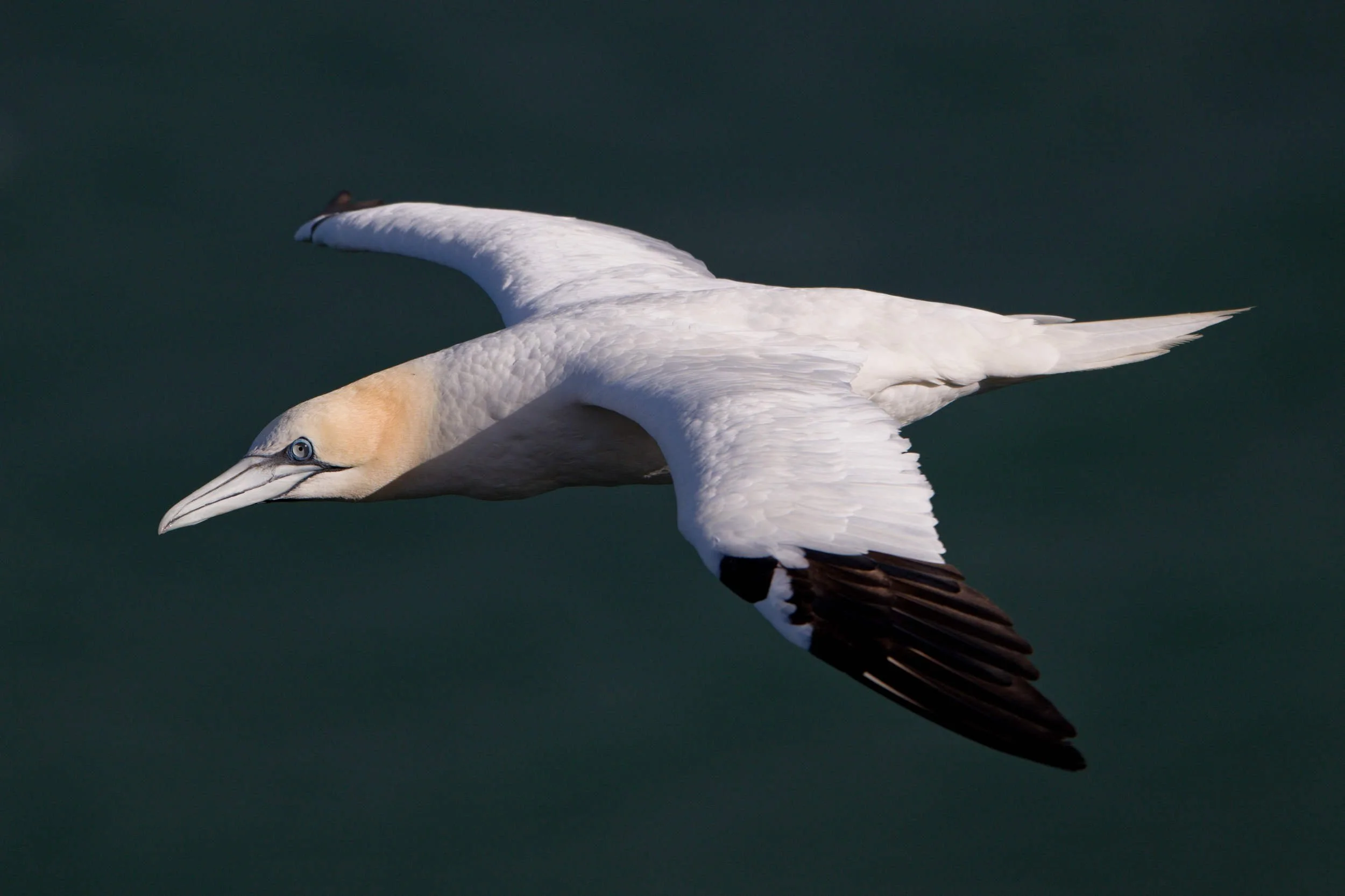
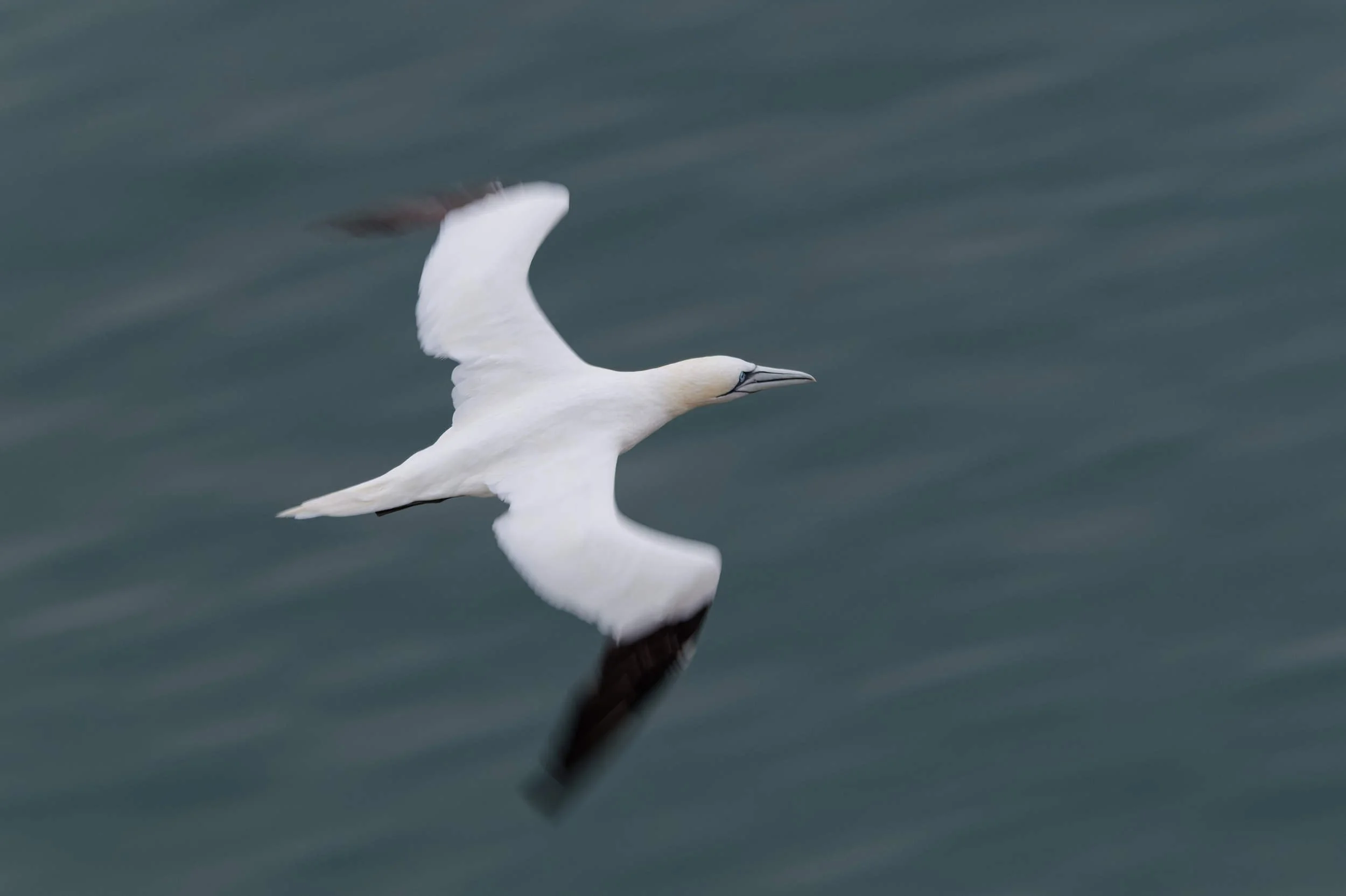
The versatility of a wide zoom range really helped me capture more detailed and dynamic flight shots this time around. I particularly liked when I was able to capture the horizon line between the sky and the sea as it says so much more about the habitat than just sky or sea can.
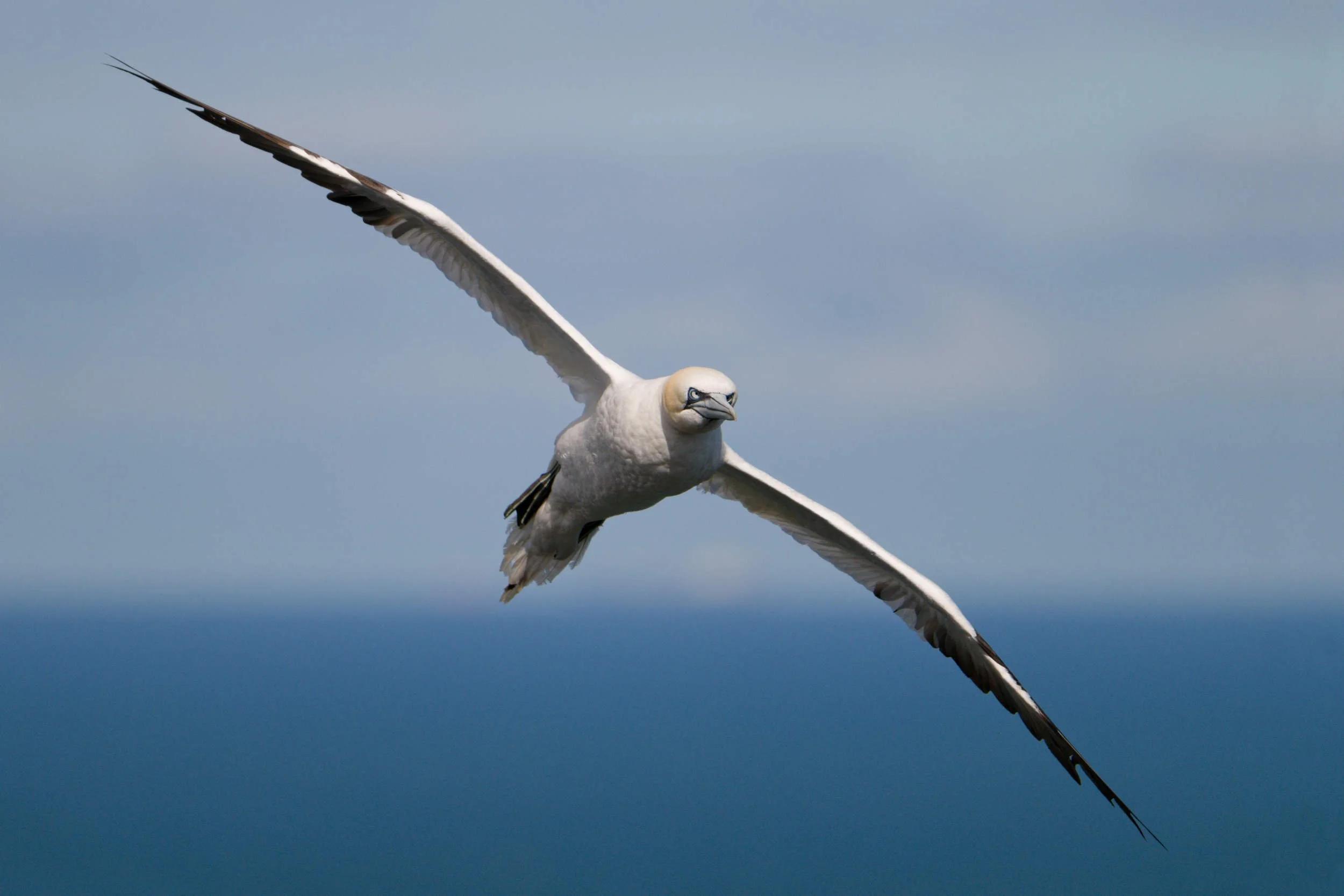
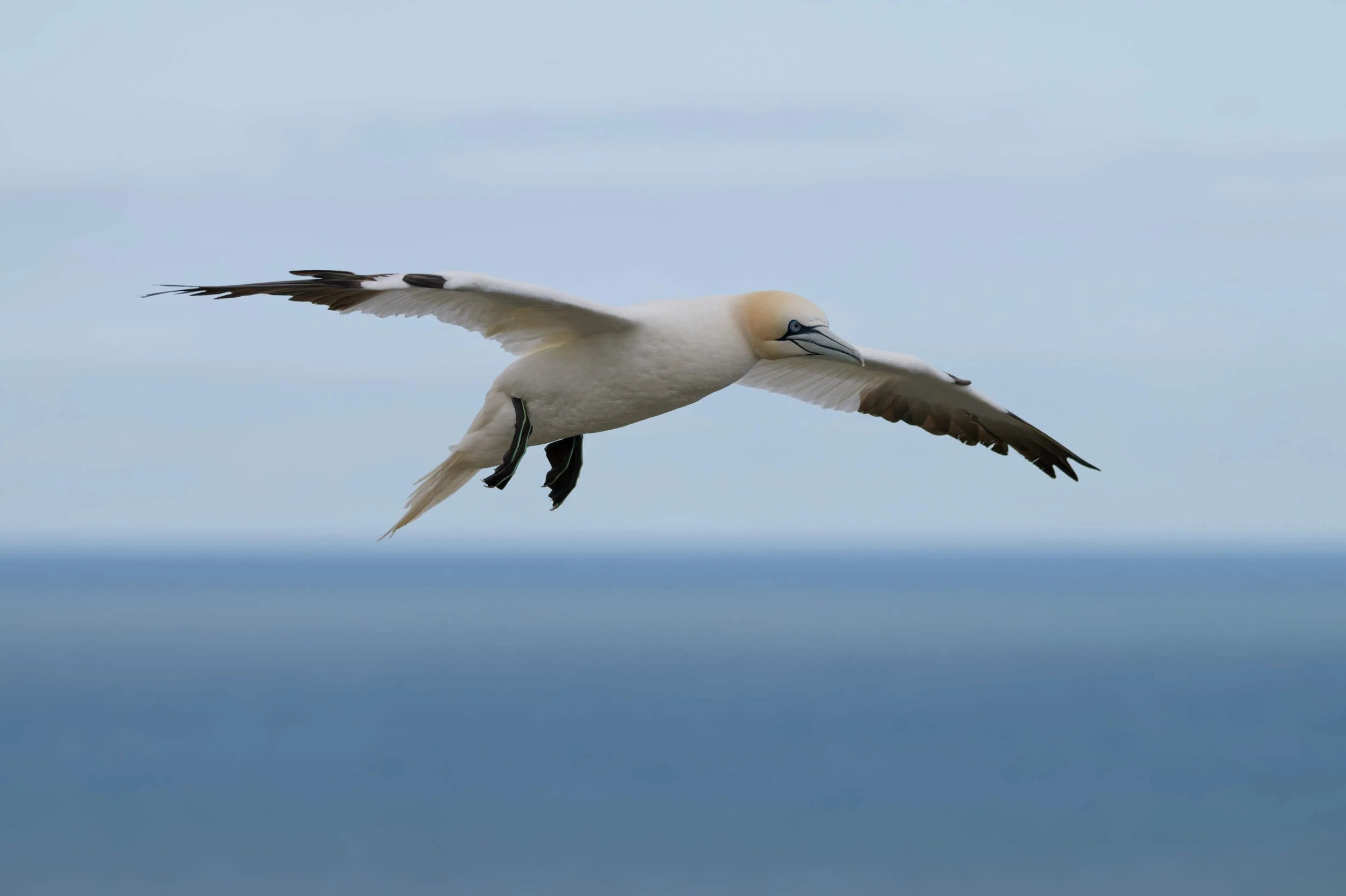
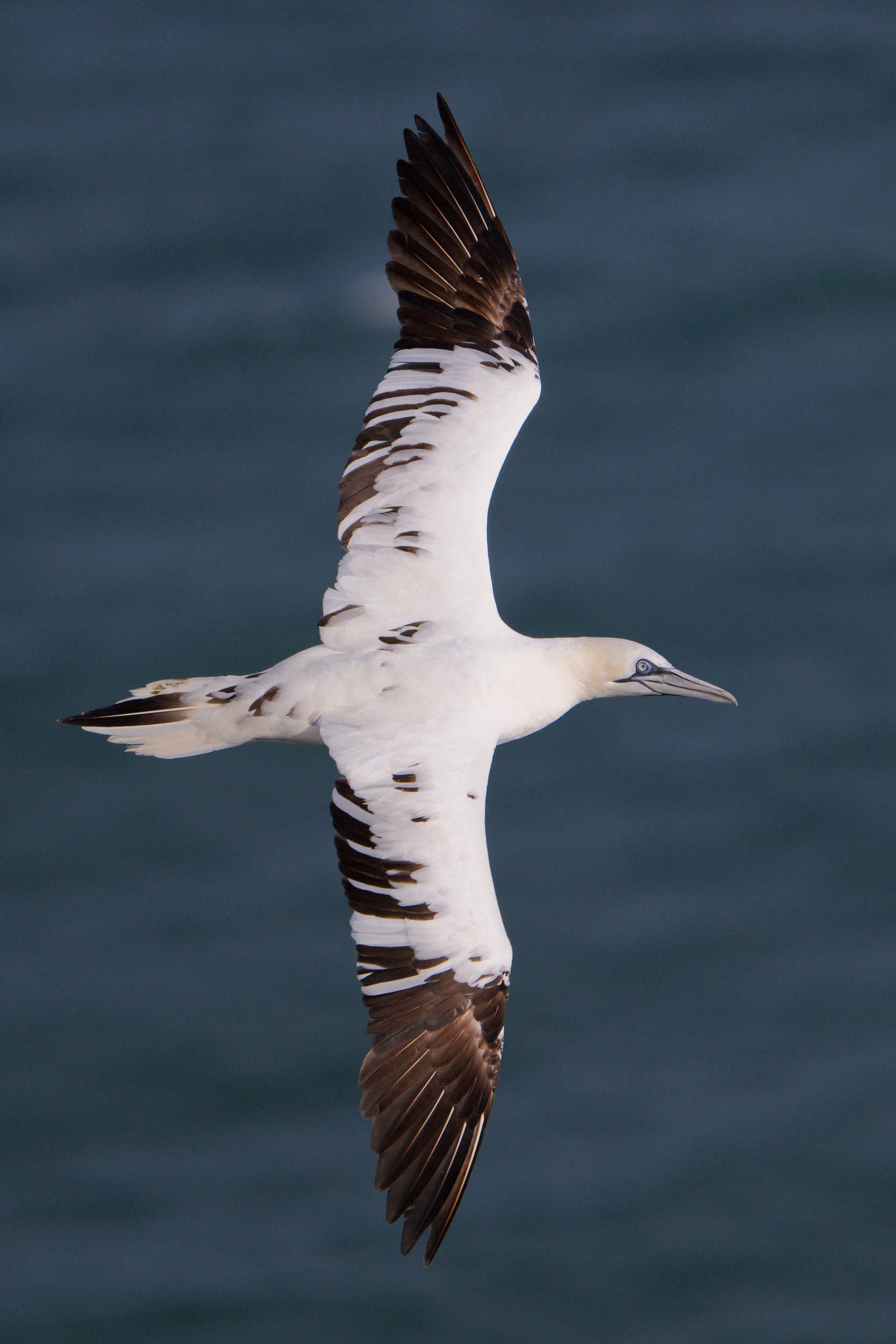
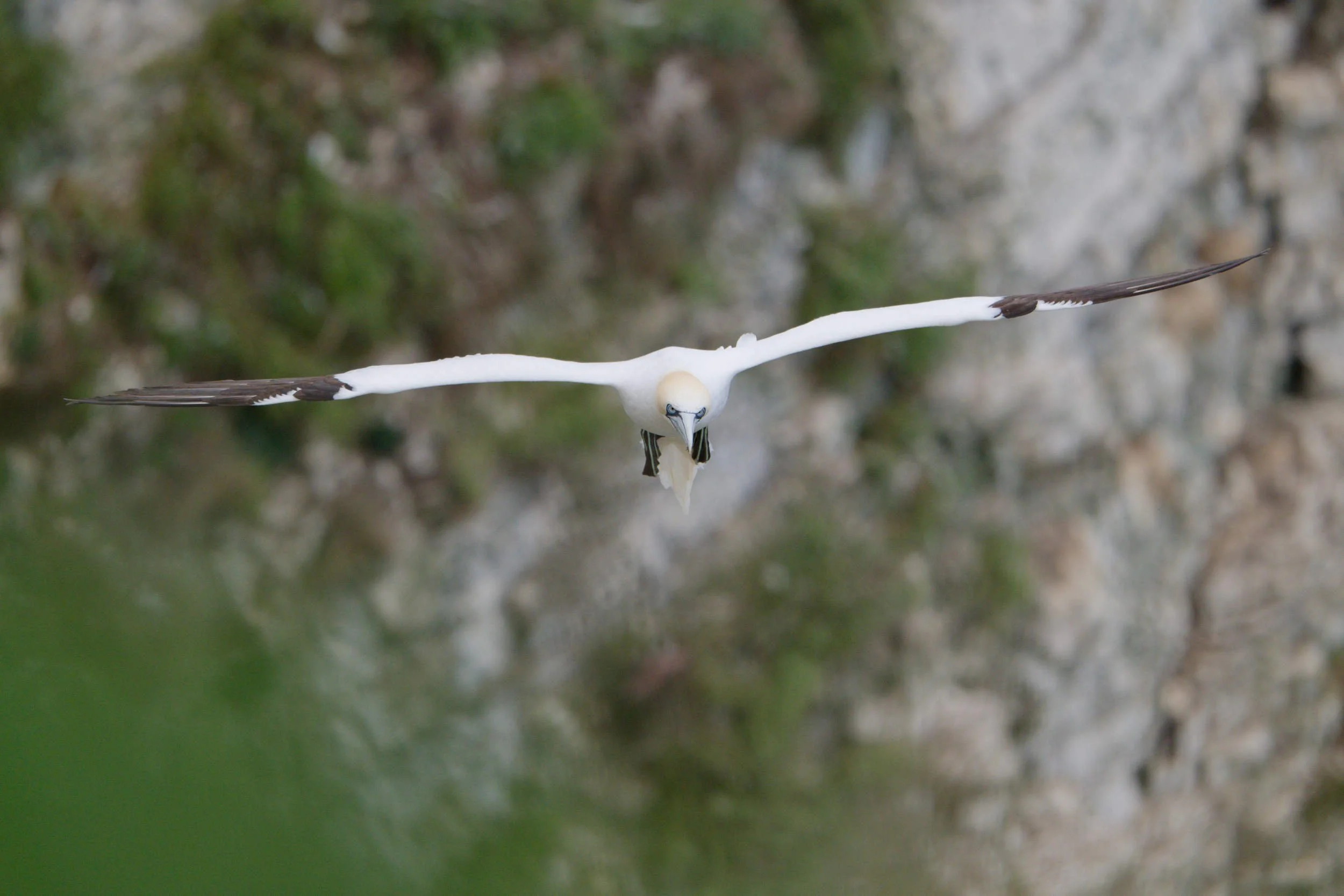
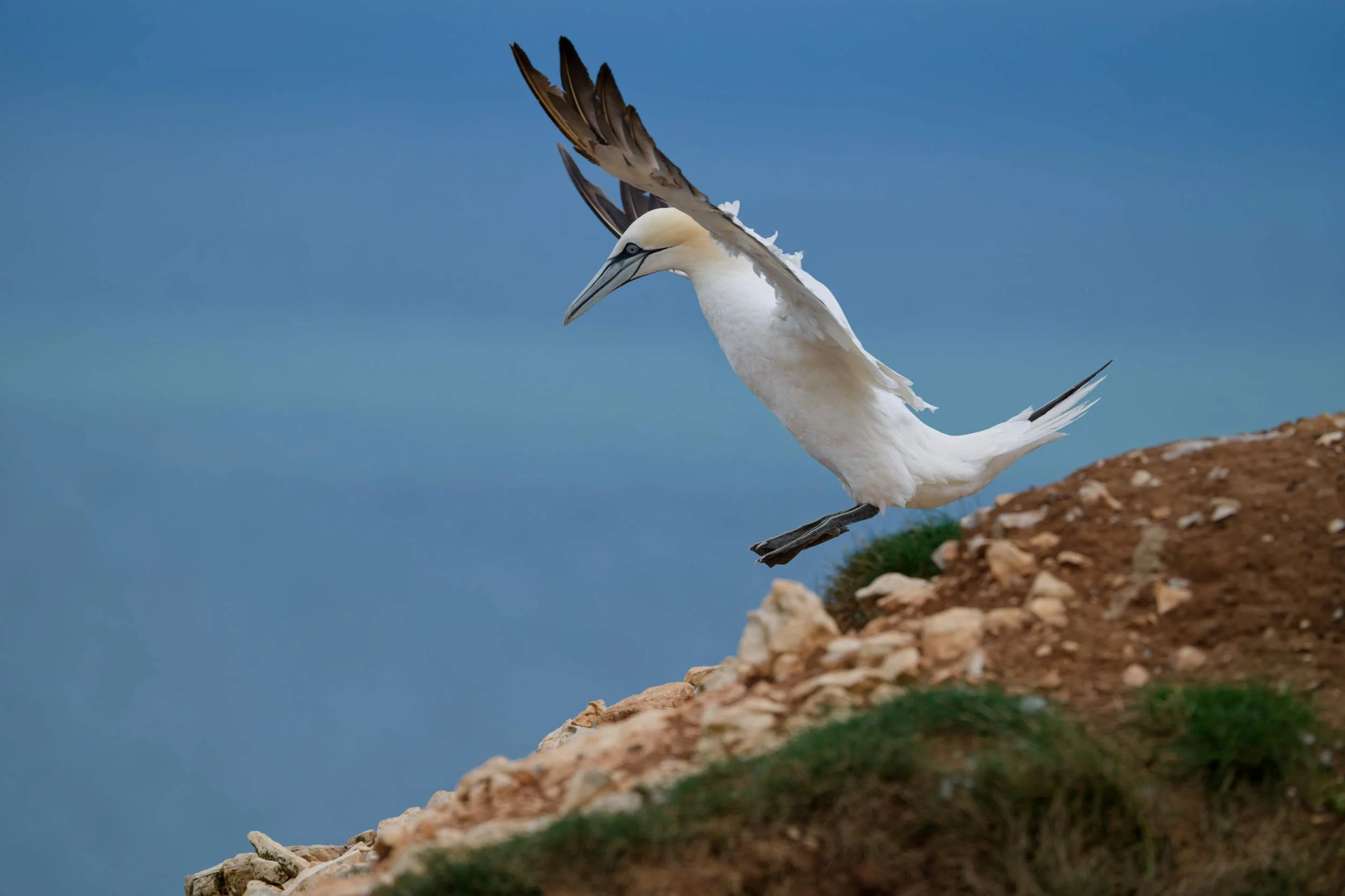
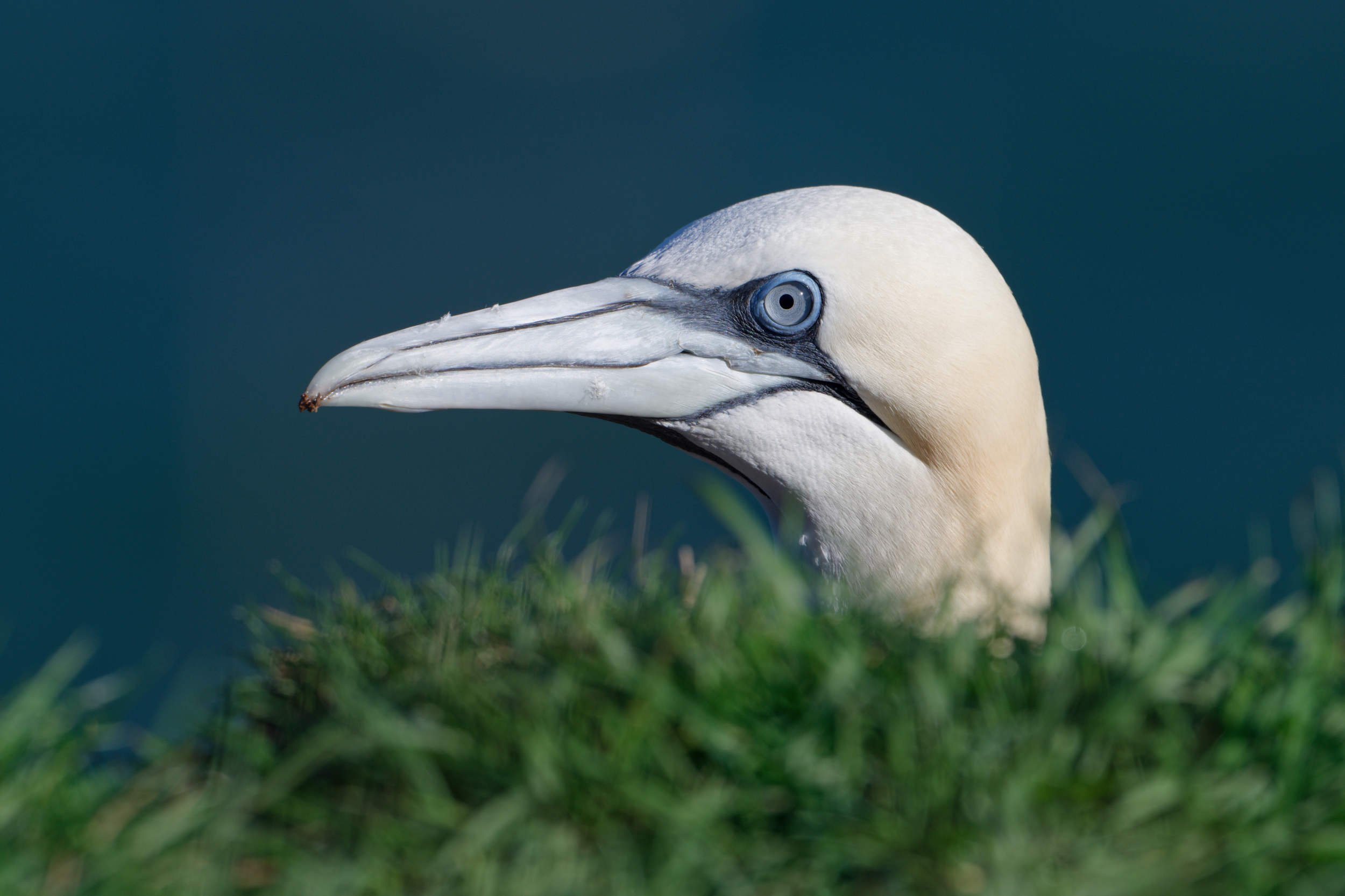
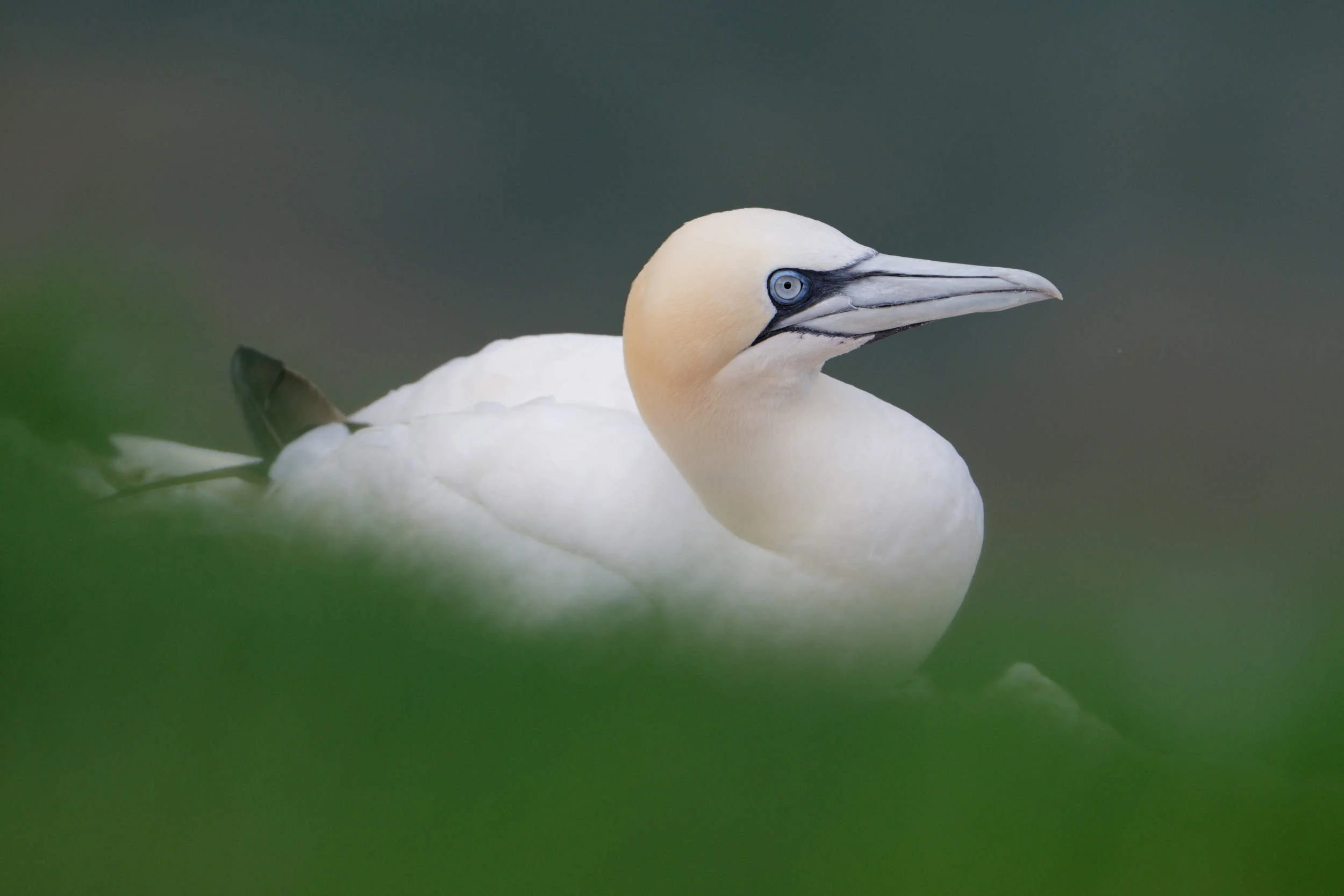
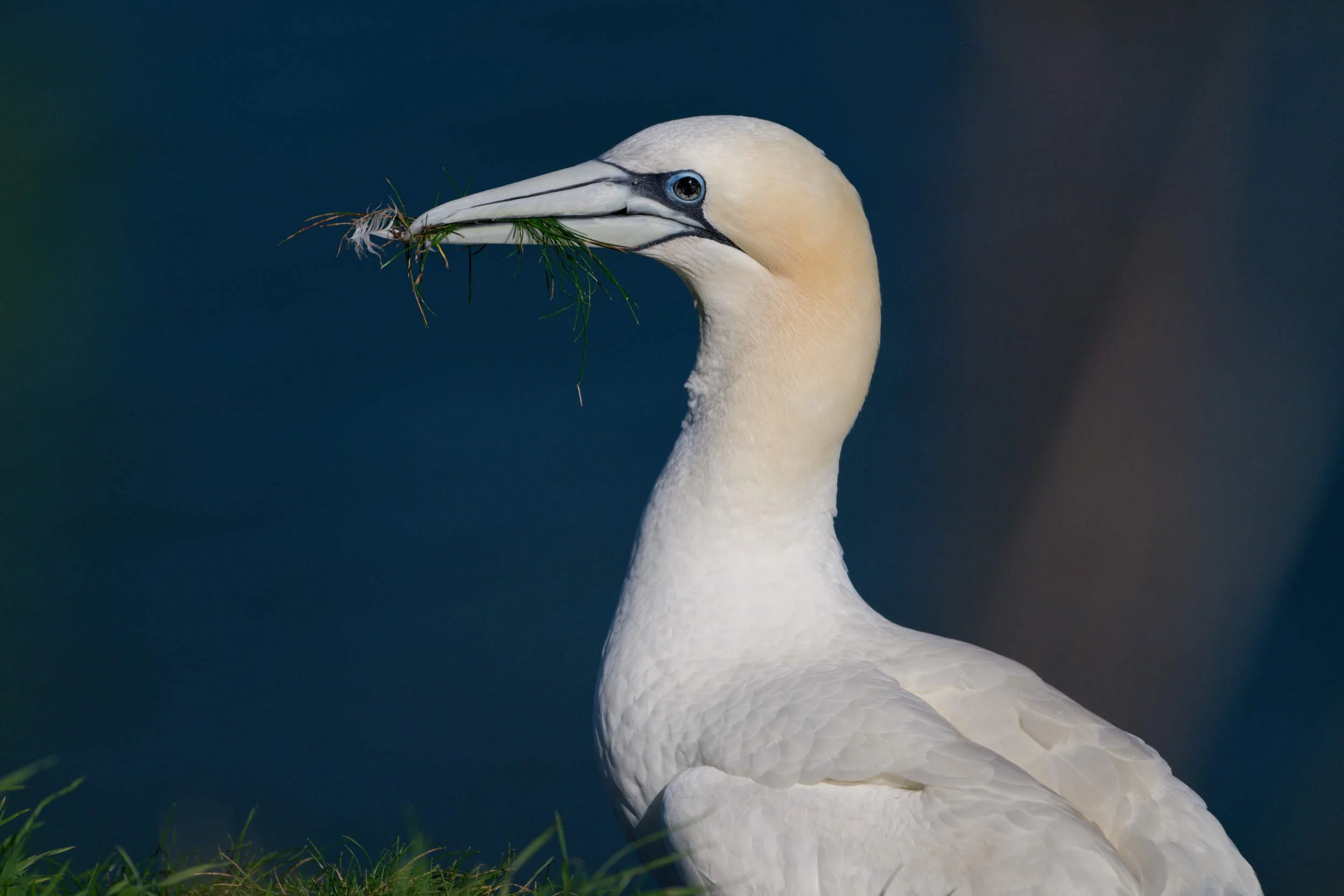
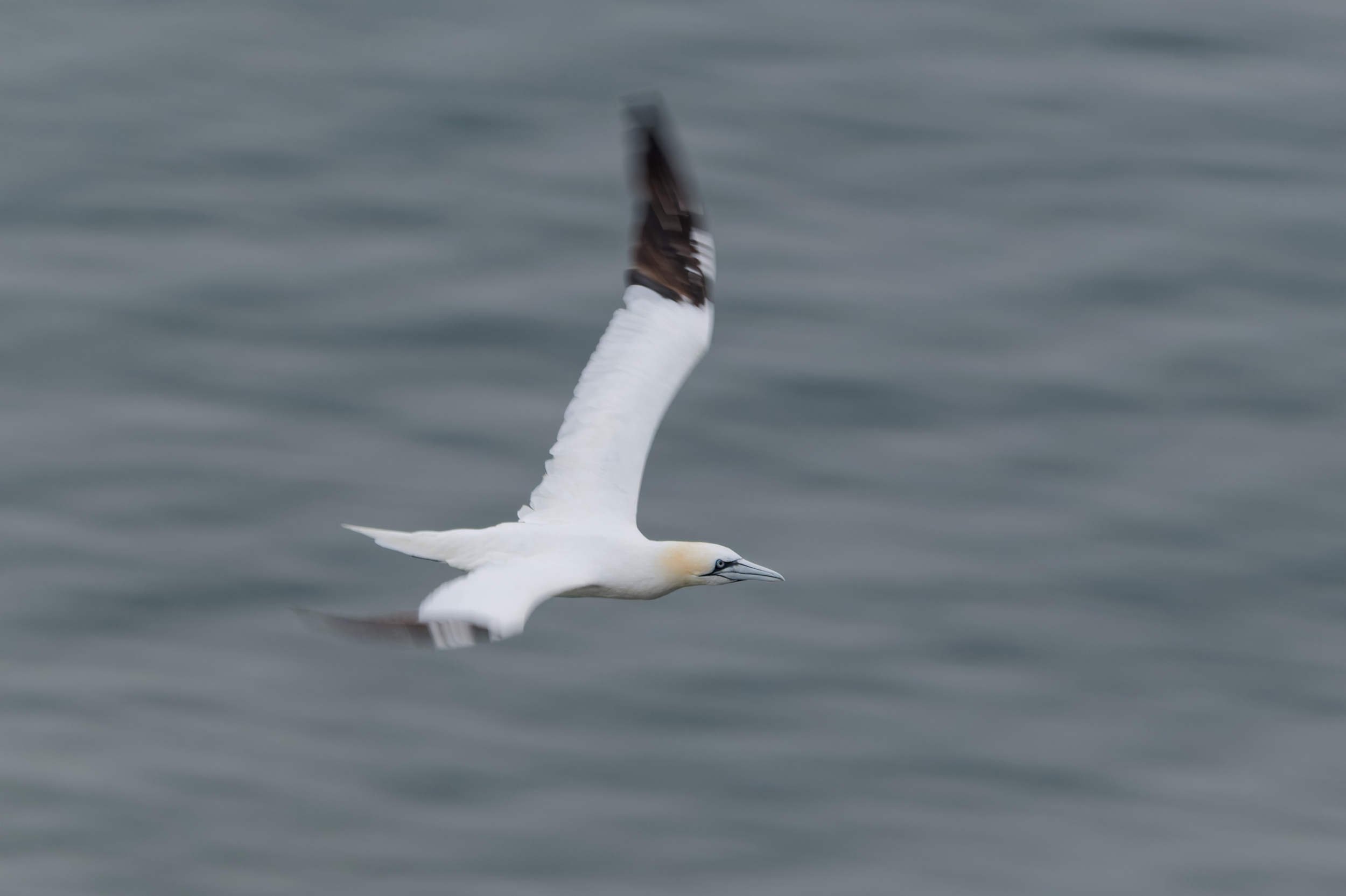
I was eager to take photos on the first morning but it was still a little too dark to be using the kind of shutter speeds required for bird in flight shots. Instead I decided to play around with slower shutter speeds, attempting to pan along at the same speed as the gannets. It’s the same kind of technique you’d use photographing racing cars where the car is sharp and the background is blurry, conveying the element of speed. I wasn’t expecting any success given the weight of my lens but the fact I was able to get a couple of photos where the gannet's head was reasonably sharp, at an 80th of a second, has to be put down to how good the combination of the lens and in-camera image stabilisation is. It definitely isn’t down to a good hand holding panning technique!
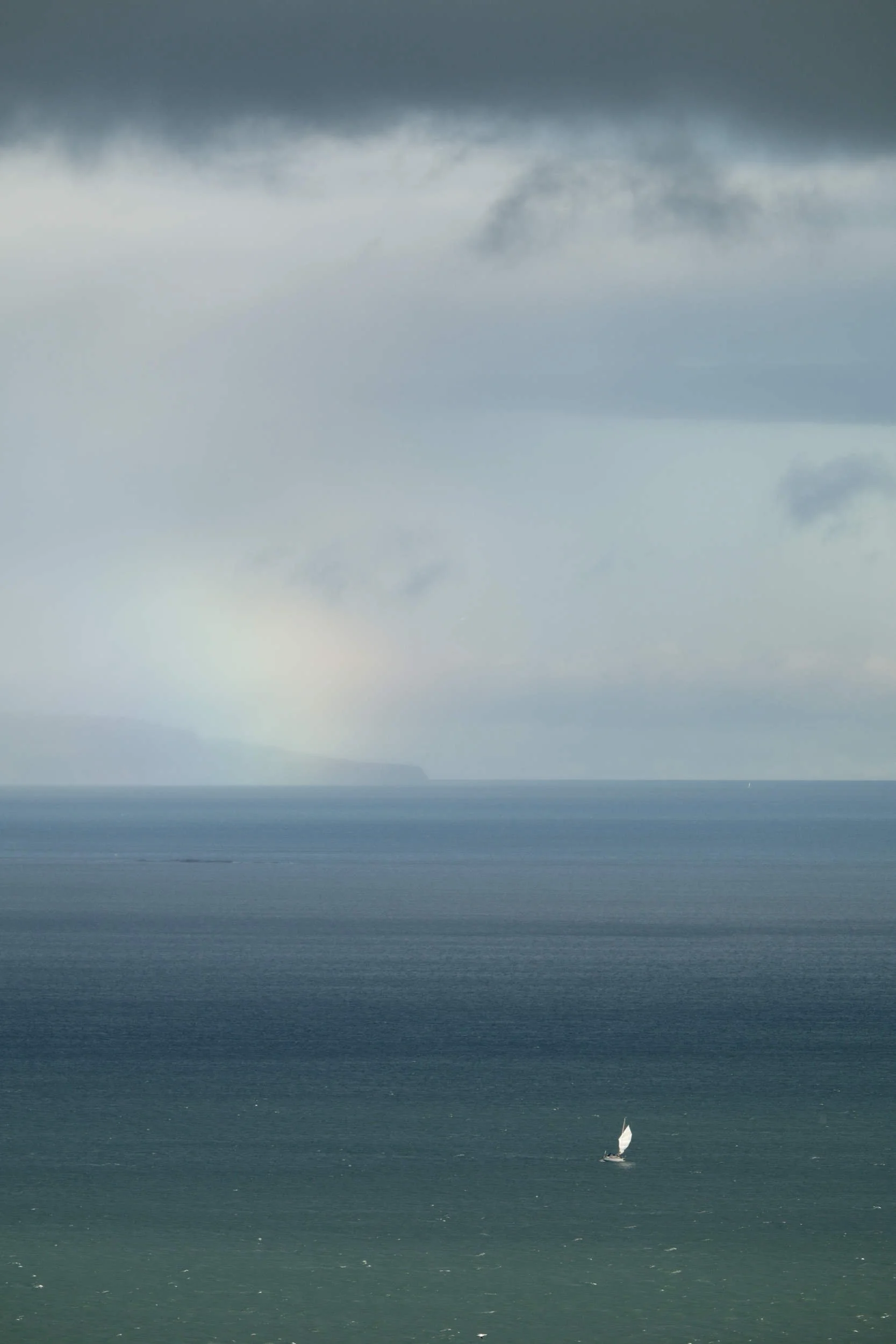
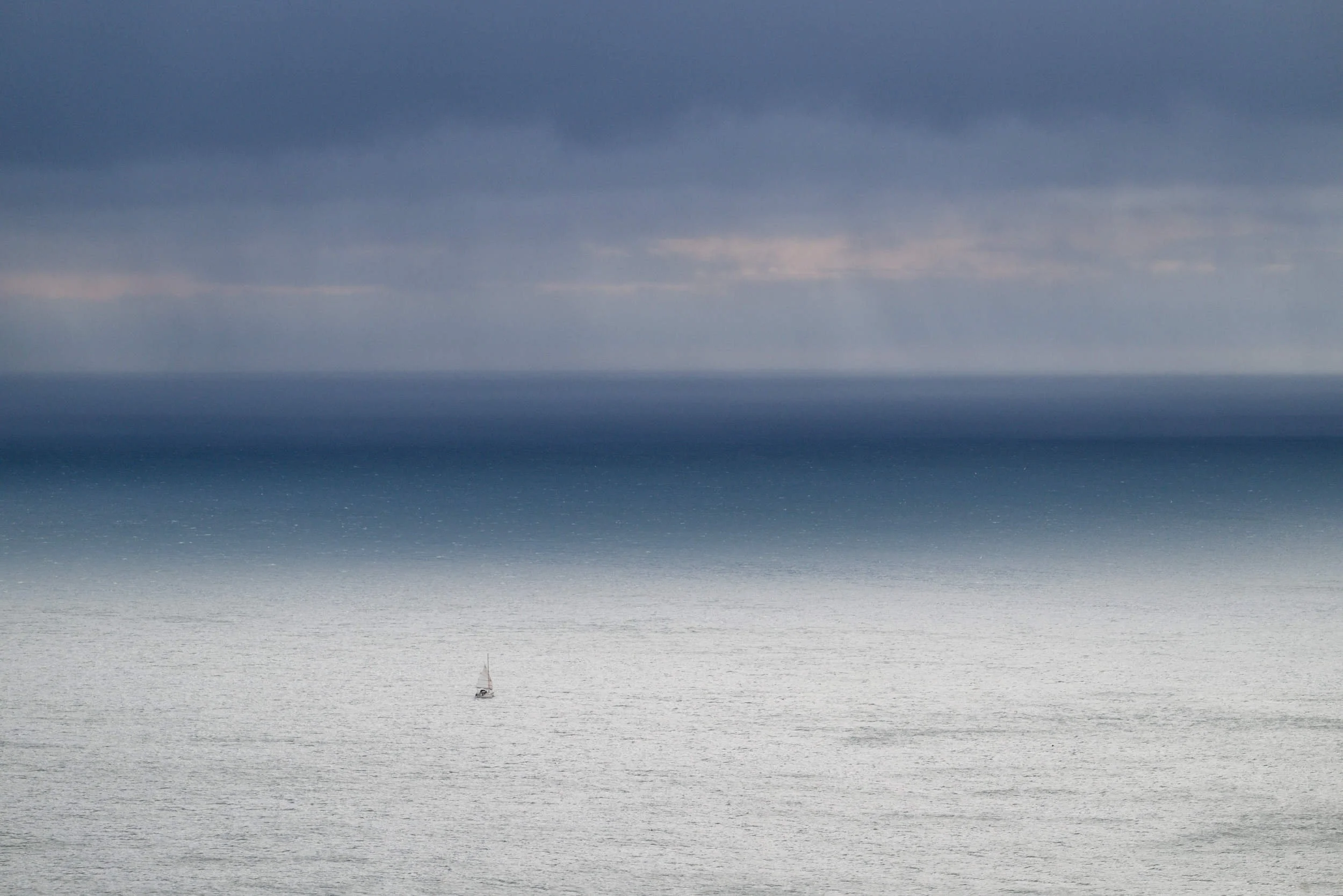
There were some moody skies over the cliffs and in the distance at times, where you could see the rain approaching or moving away. There were some moody skies over the cliffs, at times, where you could clearly see the rain approaching in the distance. Although it still didn’t stop me getting caught in a downpore at one point.
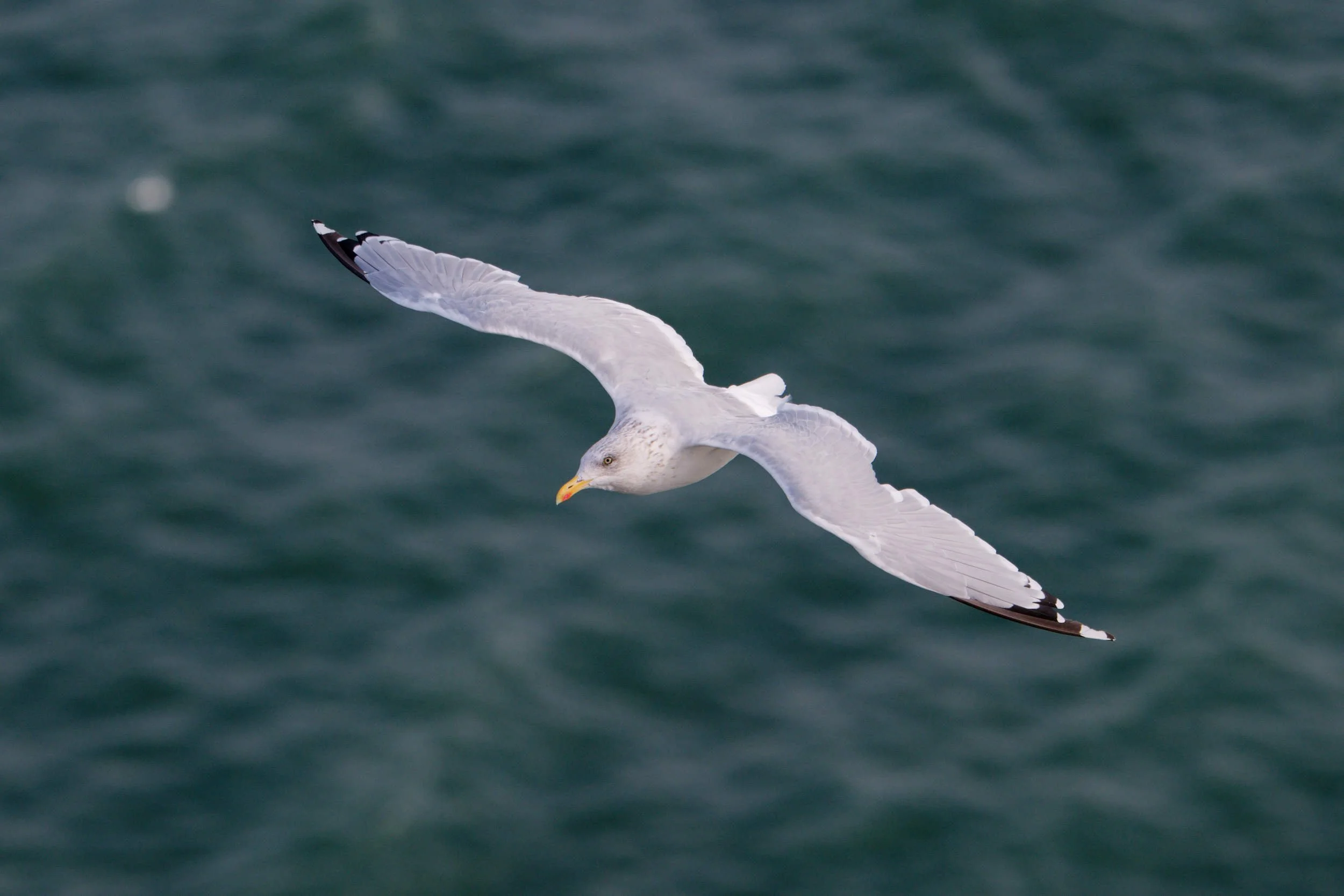
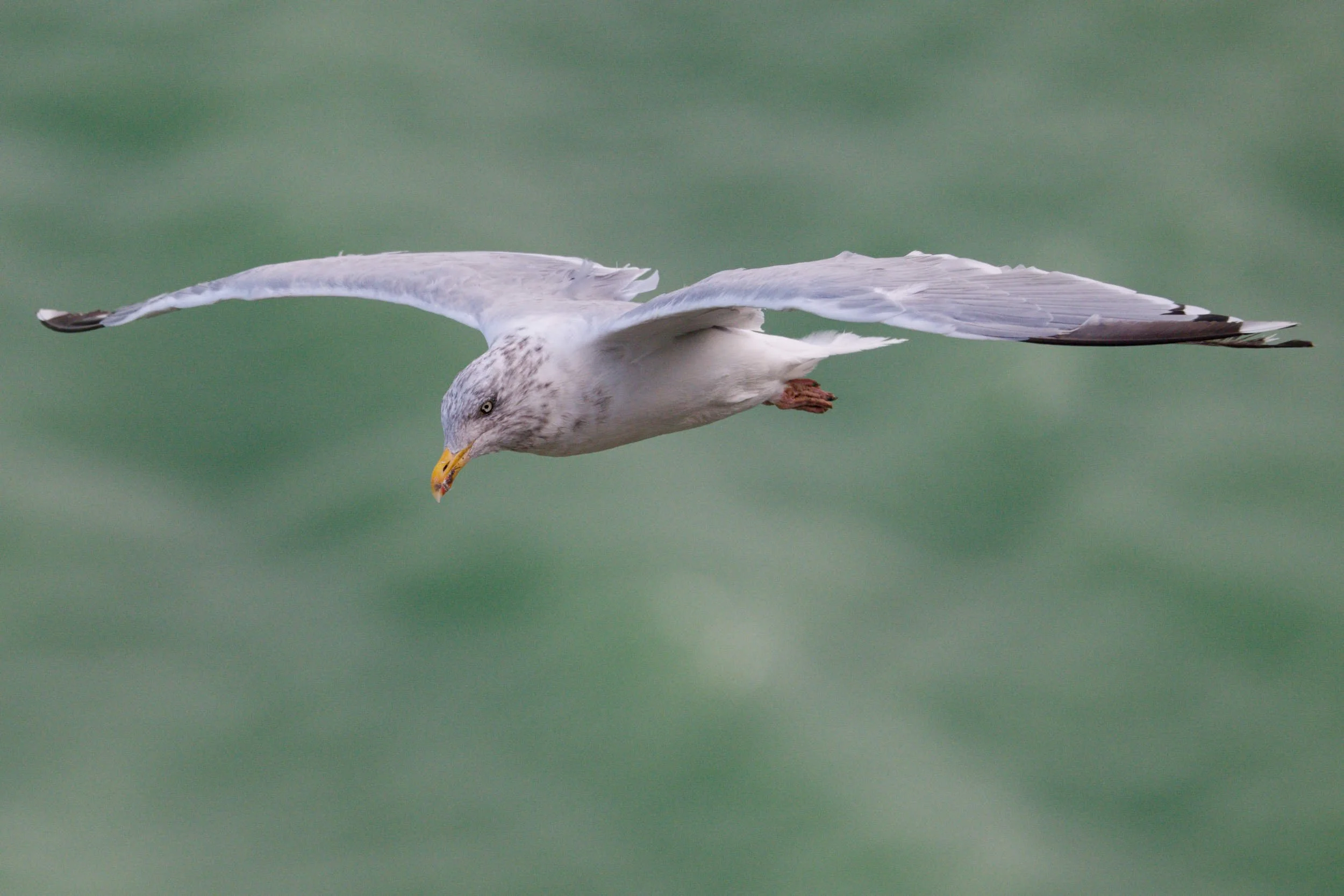
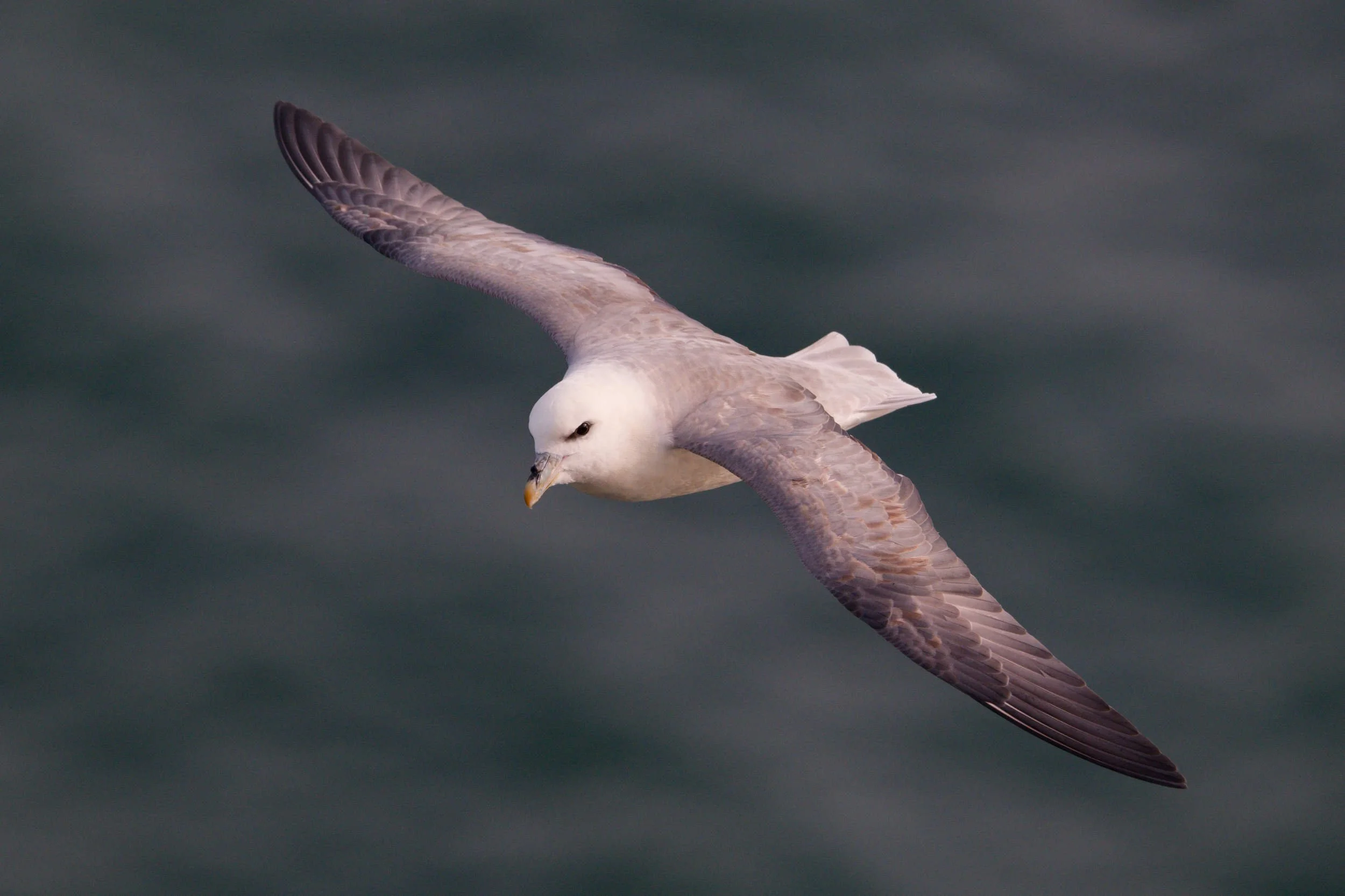
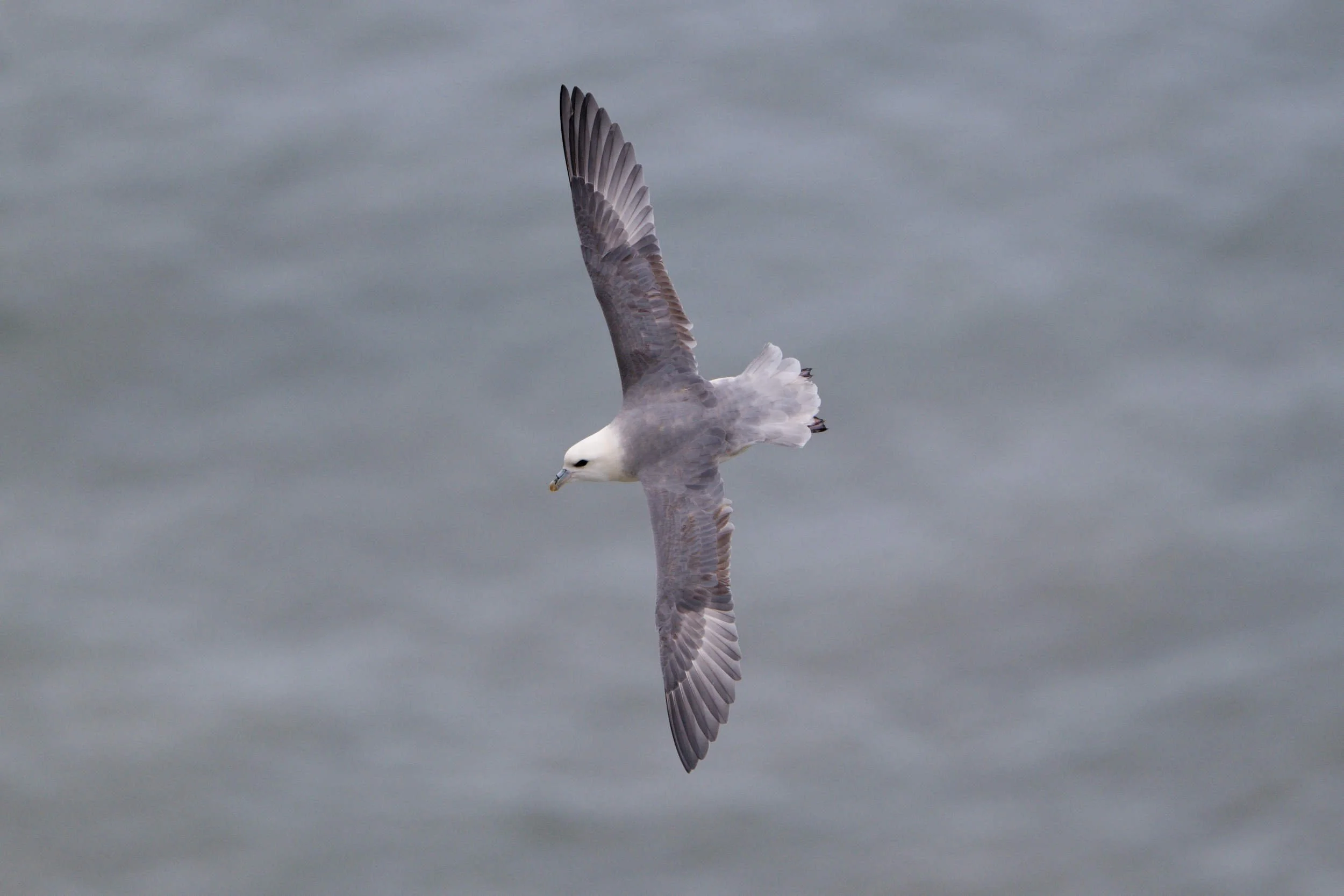
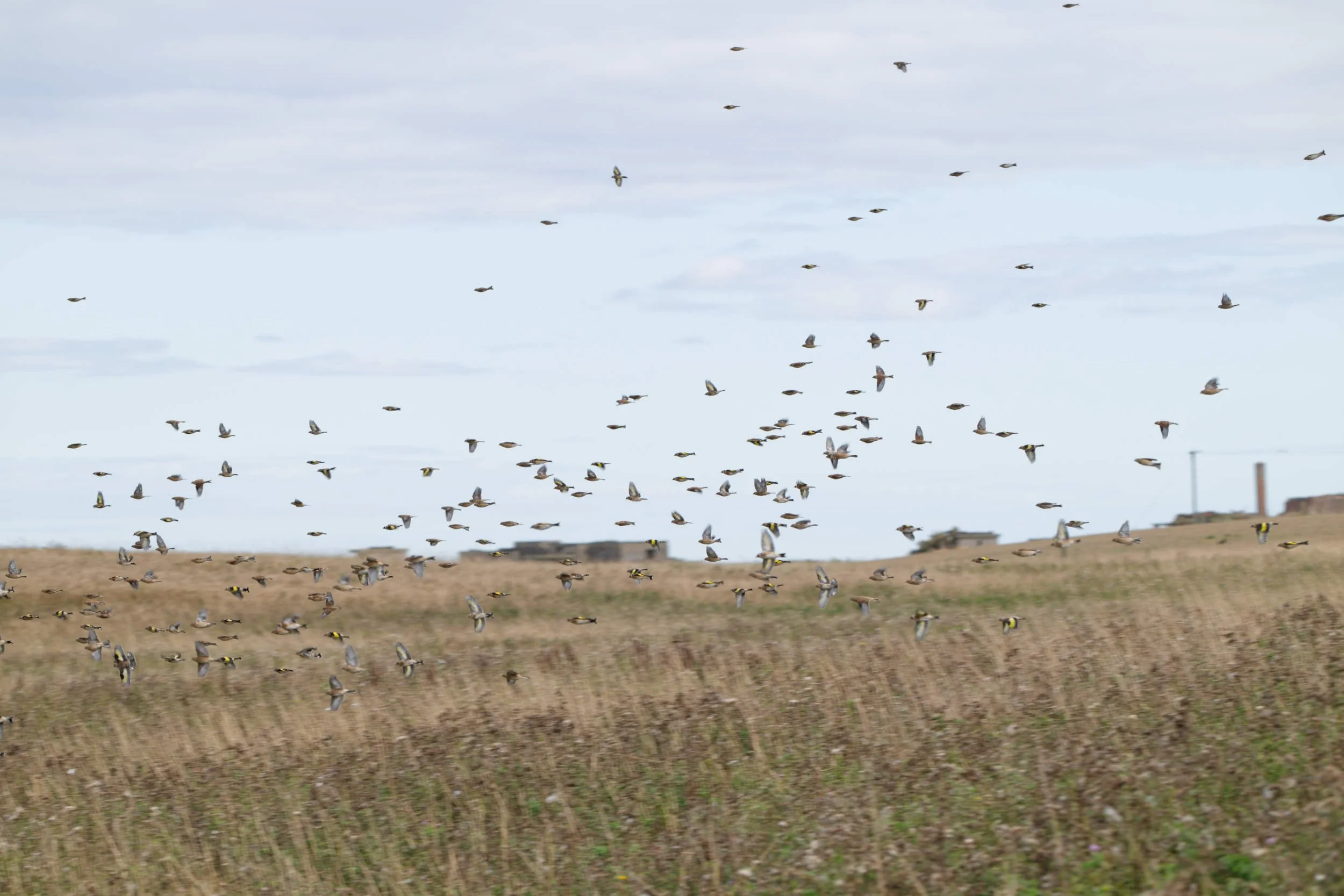
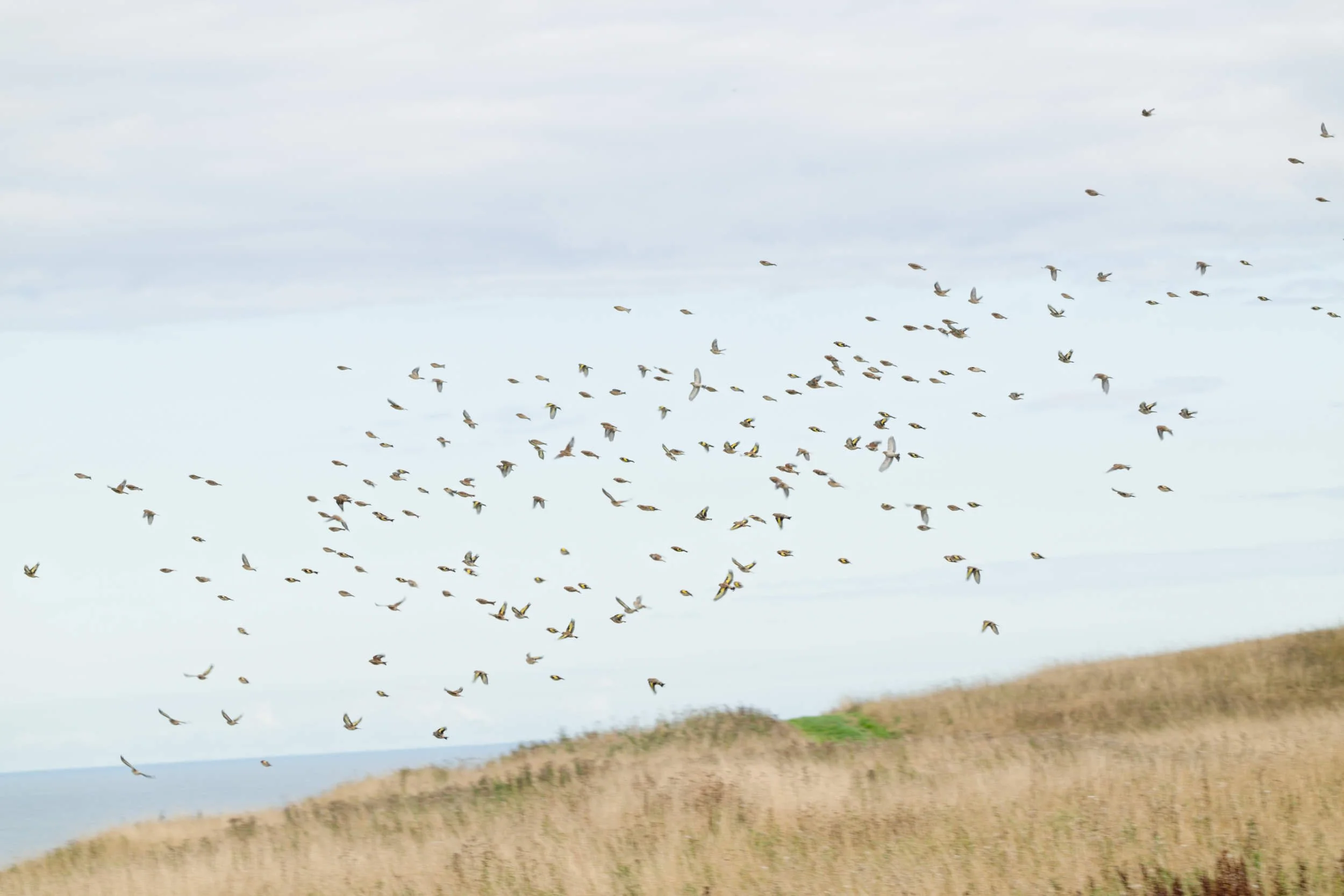
It wasn’t just gannets around the cliffs. There were plenty of hare on the adjacent fields early in the morning as well as gulls and the odd fulmar in the air. I only saw one barn owl, early one morning when it was too dark for photos, that flew overhead. One afternoon there was a large mixed finch flock of linnets and goldfinches which were feeding on the seed heads along the fields. They got spooked by a kestrel at one point and took to the sky, murmurating like starlings.
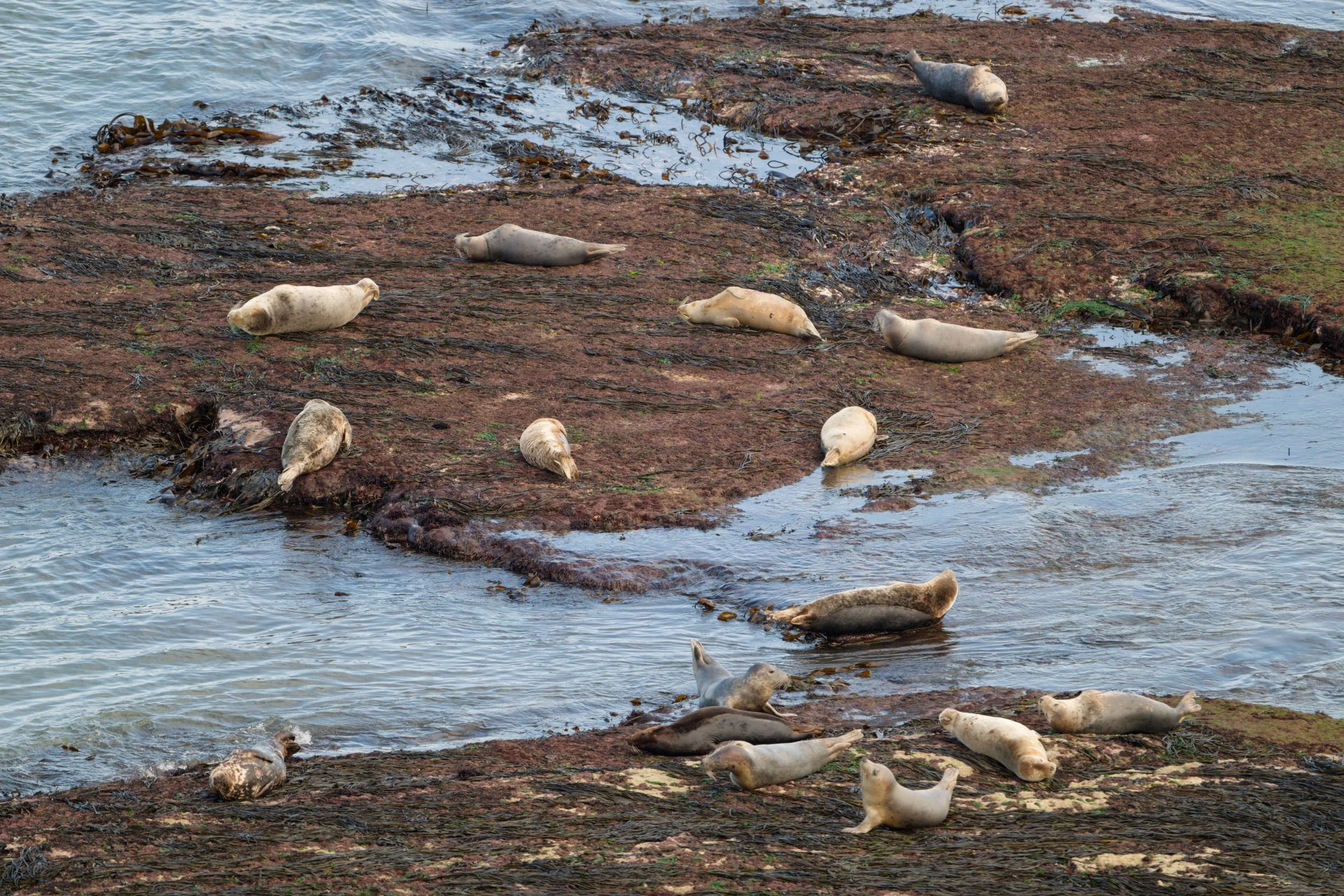
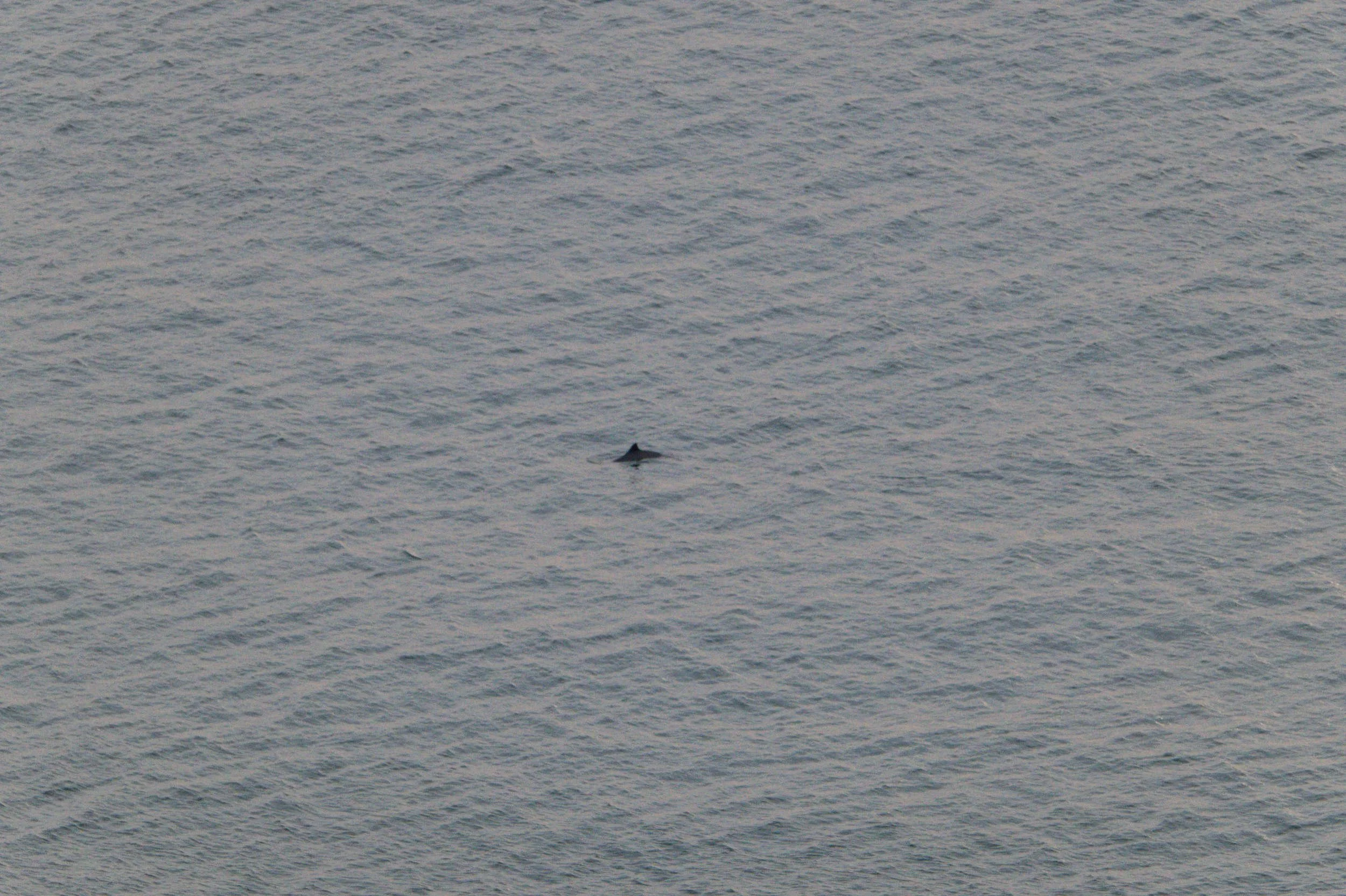
There were plenty of seals around Flamborough head, slowly being forced into the sea as the tide came in. One of the most unexpected sightings was a distant dolphin which came to the surface a few times before disappearing again. Definitely the last thing I was expecting to see when watching the gannets.